Three Days in Dubai for First-Timers: A Plan That Actually Works
A three day Dubai plan built by area, so you spend your time at the sights instead of in taxis. What to book in advance, what it costs, and what to swap.
Most three day Dubai itineraries fail in the same way. They list the ten most famous things in the city and put three or four of them on each day, without noticing that they are forty minutes apart by car. You end up seeing a lot of the Sheikh Zayed Road.
This plan is built differently. Each day stays in one part of the city, the outdoor parts happen in the morning when it is comfortable, and there is one major paid attraction per day rather than three. It is written for the October to April season, with a note at the end on how to adjust it for summer.
How This Plan Works
One area per day. Day one is Downtown, day two is Old Dubai and the creek, day three is the desert and the coast. Almost everything within each day is walkable or a short ride apart.
Outdoors early, indoors later. Even in the cooler months, the Dubai sun is strong from late morning. The walking and the desert happen first.
One big ticket per day. Burj Khalifa, Dubai Frame, and The View at The Palm are spread across three days instead of stacked into one expensive afternoon.
Evenings are left open. Dinner is the only thing planned after the sightseeing ends, so the days never feel like a checklist.
Book These Before You Arrive
Three things sell out or run on fixed slots, and walking up on the day is a gamble.
Burj Khalifa At The Top. Book an early morning slot. It is cheaper than the prime afternoon hours, the visibility is usually clearer before the haze builds, and the queues are far shorter.
Museum of the Future. Entry is strictly by time slot, with only a short grace period either side, and tickets regularly sell out days ahead.
Morning desert safari. Book it for day three. Operators run on fixed pickup times and popular dates fill up in peak season.
Two small things for the practical side. Get a Nol card for the Metro on arrival, and keep a few one dirham coins or small notes for the creek abra, which is cash only.
Day One: Downtown and the Modern City
Morning: Burj Khalifa
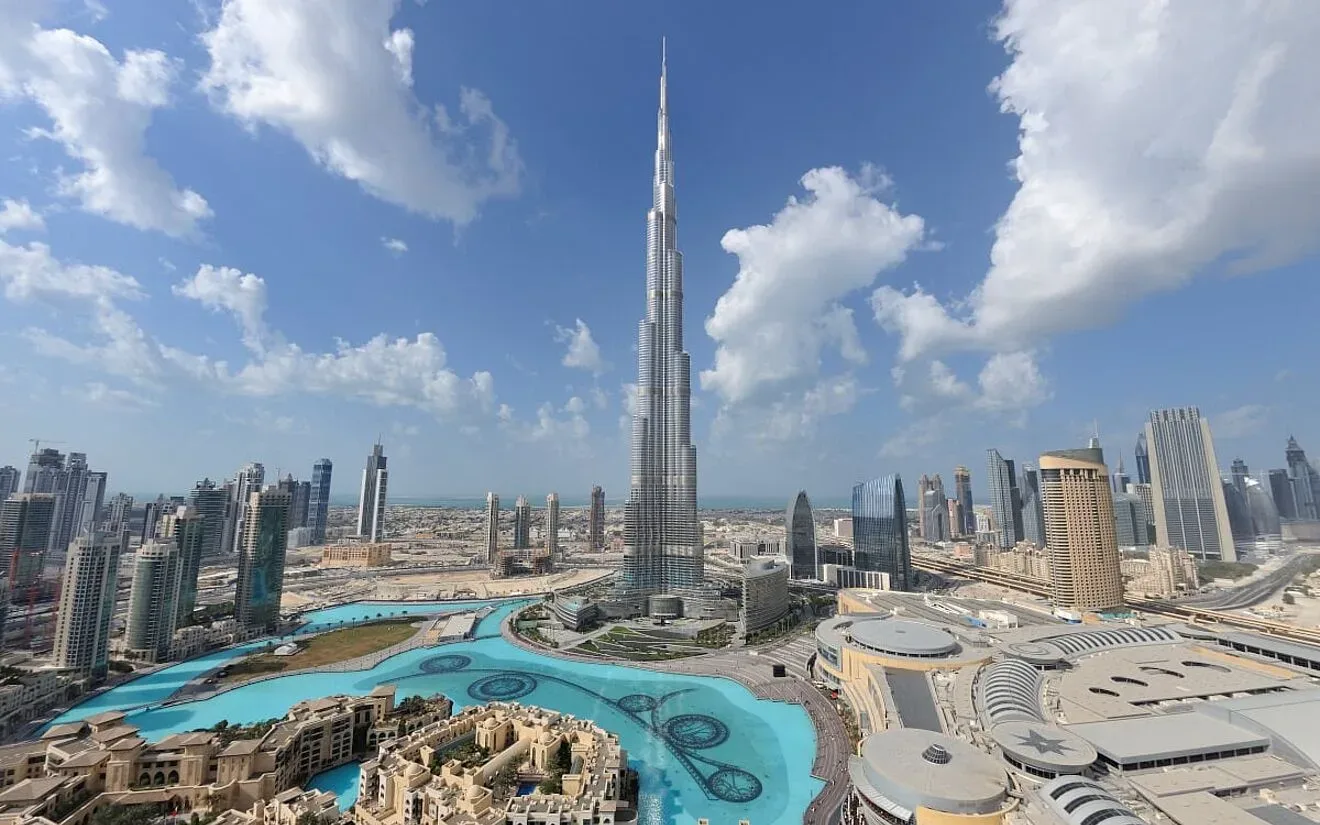
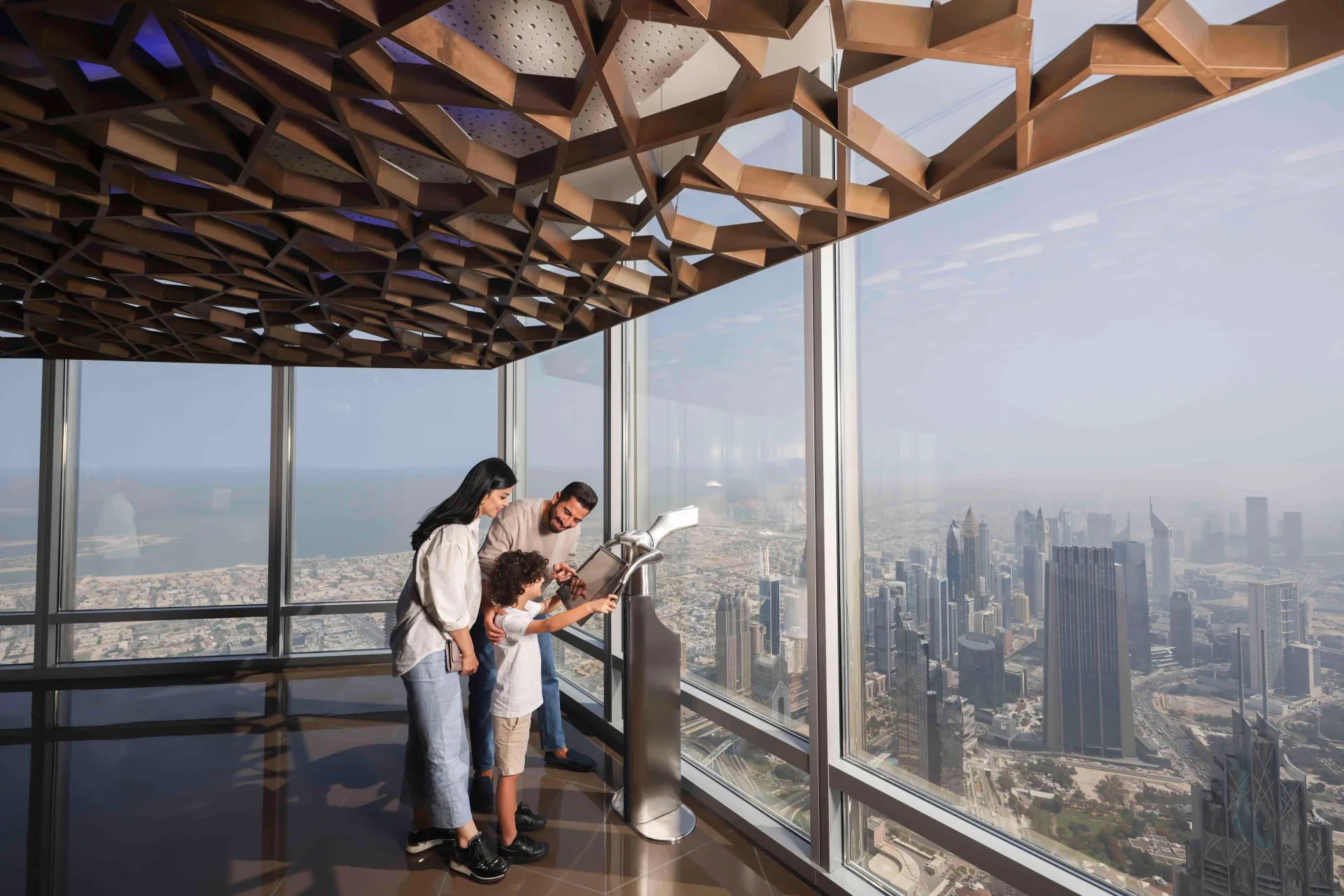
Start at the top of the world's tallest building. Burj Khalifa At The Top on Levels 124 and 125 is the right choice for a first visit, and off peak tickets start from around AED 169. An early slot means you see the city at its clearest, before the crowds and before the prime hour pricing kicks in.
If you want to understand how this compares with the city's other viewpoints before booking, our guide to Dubai's observation decks compared covers all four.
Late Morning: Dubai Mall
You exit the tower straight into Dubai Mall, which is worth an hour even if you do not plan to shop. The Dubai Aquarium and Underwater Zoo tunnel is the highlight, and the main tank can be seen from the mall floor for free if you would rather not buy a ticket.
Early Afternoon: The Dubai Fountain
The fountain runs short daytime shows in the early afternoon, typically at 1 PM and 1:30 PM, a little later on Fridays. They are free, far less crowded than later performances, and you are standing right next to them anyway.
One honest note: the fountain has closed for months at a time for renovation works in recent years. Check it is running on your dates rather than assuming.
Afternoon: Museum of the Future
A short taxi or Metro ride along Sheikh Zayed Road. Museum of the Future is open from 10 AM to 6 PM, standard tickets run around AED 175, and you should allow about two hours. The building itself is as much of the attraction as the exhibitions inside it.
Arrive within your time slot. This is the one place in Dubai that genuinely turns people away for being late.
Day Two: Old Dubai and the Creek
Today is the contrast day. It shows you the city that existed before the towers, and it is also the cheapest day of the trip.
Morning: Al Fahidi and the Textile Souk
Take the Metro to Al Fahidi station and start in Al Fahidi Historical Neighbourhood, a quarter of narrow lanes and wind tower houses that is free to walk. Stop at the Coffee Museum, around AED 10 to 15, then walk down to the Textile Souk under its wooden arcade.
We have mapped this whole morning stop by stop in our Old Dubai walking route, including timings and the one well known attraction that is still closed despite what many guides say.
Late Morning: Across the Creek
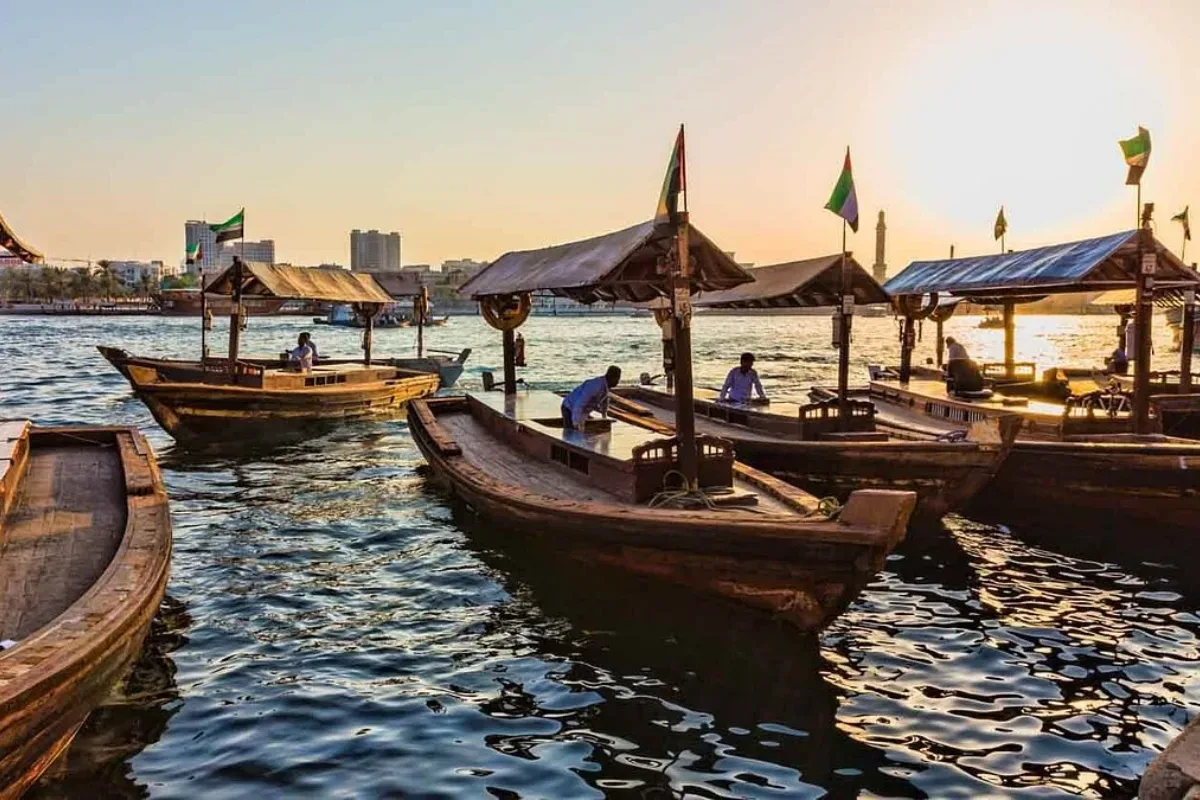
From the souk, take the Dubai Creek abra crossing to Deira. It costs one dirham, takes about five minutes, and is the best value experience in the city. On the other side, walk through the Spice Souk and on to the Gold Souk.
If you want to know about the other abra rides around the city, from the one dirham crossing to the resort canal boats, our guide to every abra ride in Dubai explains the difference.
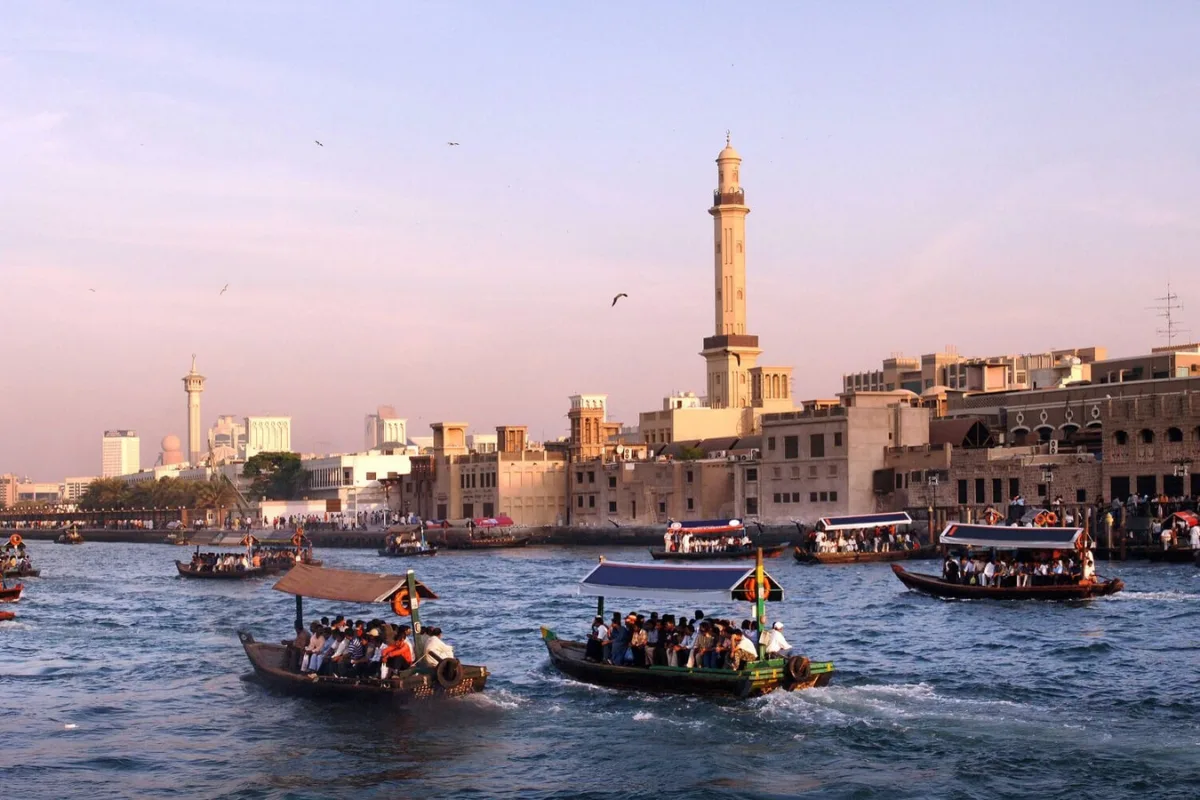
Lunch: Al Seef
Cross back by abra and walk to Al Seef, a waterfront promenade along the creek with cafes and restaurants on both its heritage style and modern stretches. A long lunch here is part of the plan, not a break from it.
Afternoon: Dubai Frame
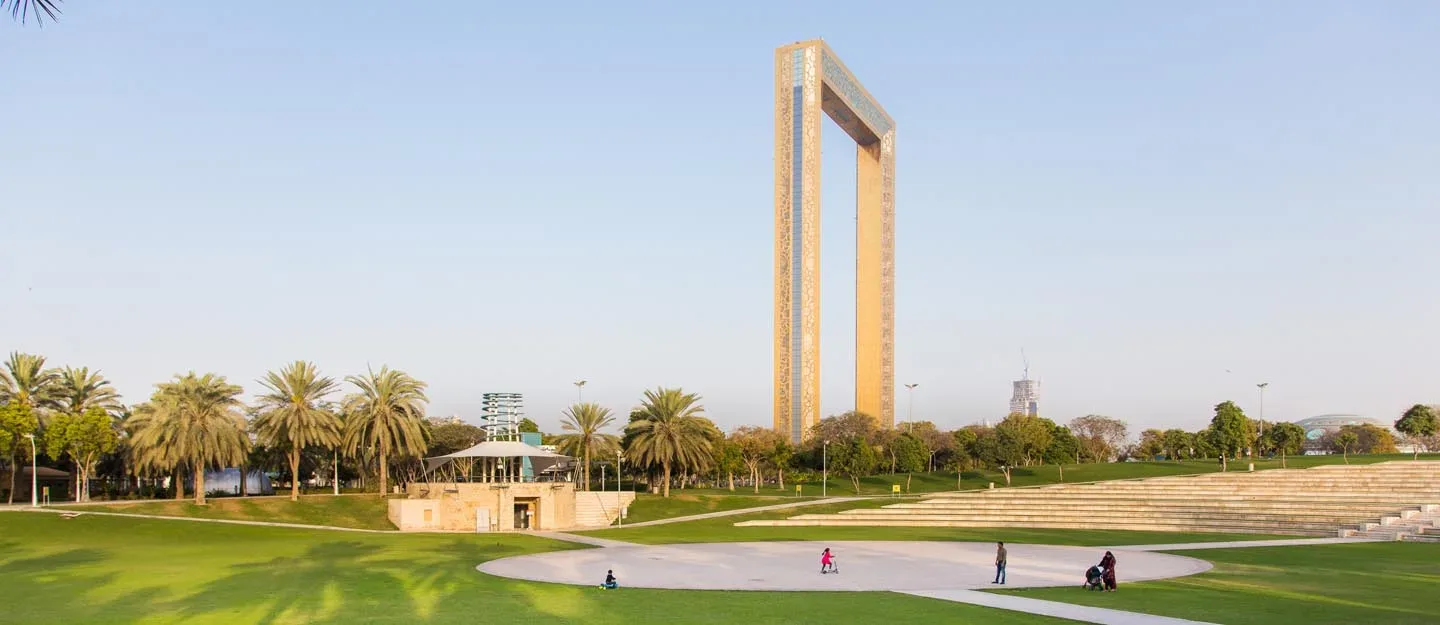
A short taxi ride takes you to Dubai Frame in Zabeel Park. At around AED 50 it is the cheapest of the city's major viewpoints, and the concept is the reason to go. Look one way and you see the old city you spent the morning in. Look the other and you see Downtown, where you were yesterday. It ties the first two days together in one view.
Day Three: Desert and Coast
Early Morning: Desert Safari
A morning desert safari runs from around AED 100 to 150, with an early hotel pickup and a return around midday. You get the dunes, dune driving, a camel ride, and sandboarding in the coolest and quietest part of the day, with the best light for photographs.
Before you book, read our guide on how to choose a desert safari. The difference between a good one and a disappointing one is rarely the price, and the listings all look the same. Our morning desert safari page has the details on what is typically included.
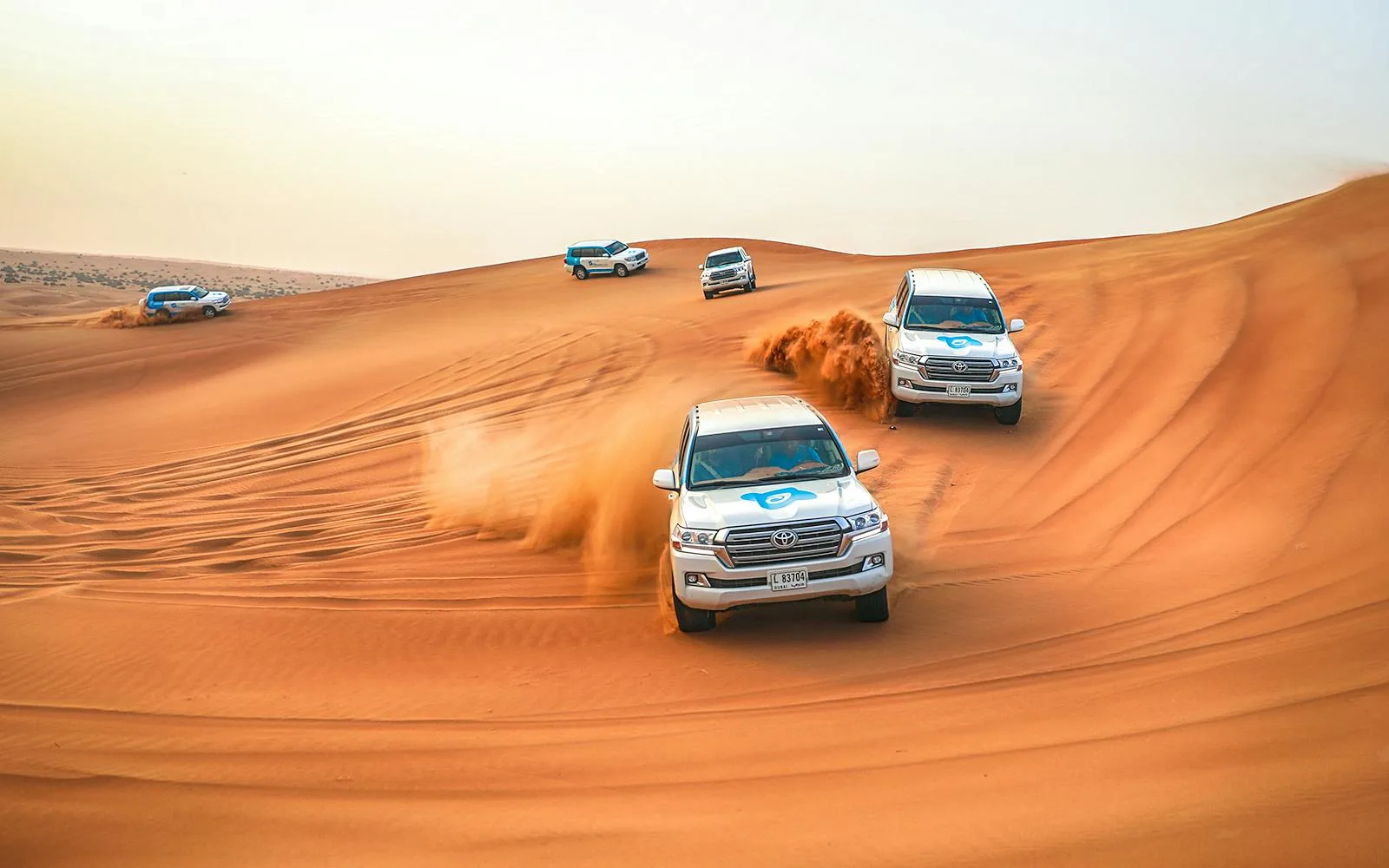
Afternoon: The View at The Palm
After lunch, head to Palm Jumeirah. The View at The Palm on Level 52 shows you the island's shape from above, which is the only way to actually understand it. Standard entry starts from around AED 110. The entrance is inside Nakheel Mall, which makes it easy to pair with lunch.
Late Afternoon: The Beach
Finish at the water. Kite Beach is free, has showers, food trucks, and a long stretch of sand, and gives you a clean view of Burj Al Arab along the coast.
If you would rather see Burj Al Arab up close, the Madinat Jumeirah abra ride takes you through the resort's canals with the hotel in view the whole time.
Not sure whether to use a public beach or pay for a beach club? Our guide to free beaches versus beach clubs explains when the day pass is actually worth it.
What About the Evenings
This plan deliberately leaves evenings free. After three full mornings and afternoons, most first time visitors want a good dinner and not much else.
That is where the Day and Night toggle on Day & Night Dubai comes in. Switch it to see what is open near where you are staying, whether that is a restaurant with a view or something a little livelier, without committing to it in advance.
Getting Around
Day one works almost entirely on the Metro Red Line, using Burj Khalifa and Dubai Mall station, with a short hop to Museum of the Future.
Day two starts on the Metro at Al Fahidi, then runs on foot and by abra, with one taxi to Dubai Frame.
Day three needs wheels. Your safari operator handles the morning, and taxis or ride hailing apps are the easiest option for the Palm and the beach.
What It Costs
The core paid attractions in this plan add up to roughly AED 600 to 700 per adult: Burj Khalifa off peak, Museum of the Future, the Coffee Museum, two abra crossings, Dubai Frame, a morning desert safari, and The View at The Palm.
Food, transport, the optional aquarium ticket, and anything bought in the souks are on top of that. Everything else in the plan, including Al Fahidi, the souks, Al Seef, the fountain, and Kite Beach, is free.
Swaps and Adjustments
If Burj Khalifa is over budget, swap it for Sky Views in Downtown, which costs a fraction of the price and actually puts the Burj Khalifa in your photos.
If you are travelling with young children, check age limits before booking. Several attractions have minimum ages or heights, and the desert safari's dune driving may not suit toddlers.
If you have a fourth day, add Hatta for mountains and kayaking, or Al Qudra Lakes for flamingos and free desert cycling. Our guides to Hatta and Al Qudra Lakes cover both.
If you are visiting between May and September, keep the same areas but flip the order: outdoor stops at the very start of the day, and indoor attractions from late morning onward. Our guide to the best Dubai attractions for summer has the full list of indoor options.
Final Takeaway
Three days is enough to see Dubai properly, as long as you stop trying to see all of it at once. One area per day, outdoors in the morning, one major ticket each day, and your evenings left open.
Do that and you will leave having seen the modern city, the old city, the desert, and the coast, and you will have spent your time in them rather than between them.
You can browse every attraction in Dubai with live opening hours, filtered by day or night, on Day & Night Dubai.