Al Qudra Lakes: The Desert Oasis Most Visitors Never Find
Al Qudra is not one lake but more than ten, and most people navigate to the wrong one. How to get there, the free cycle track, flamingo season and the rules.
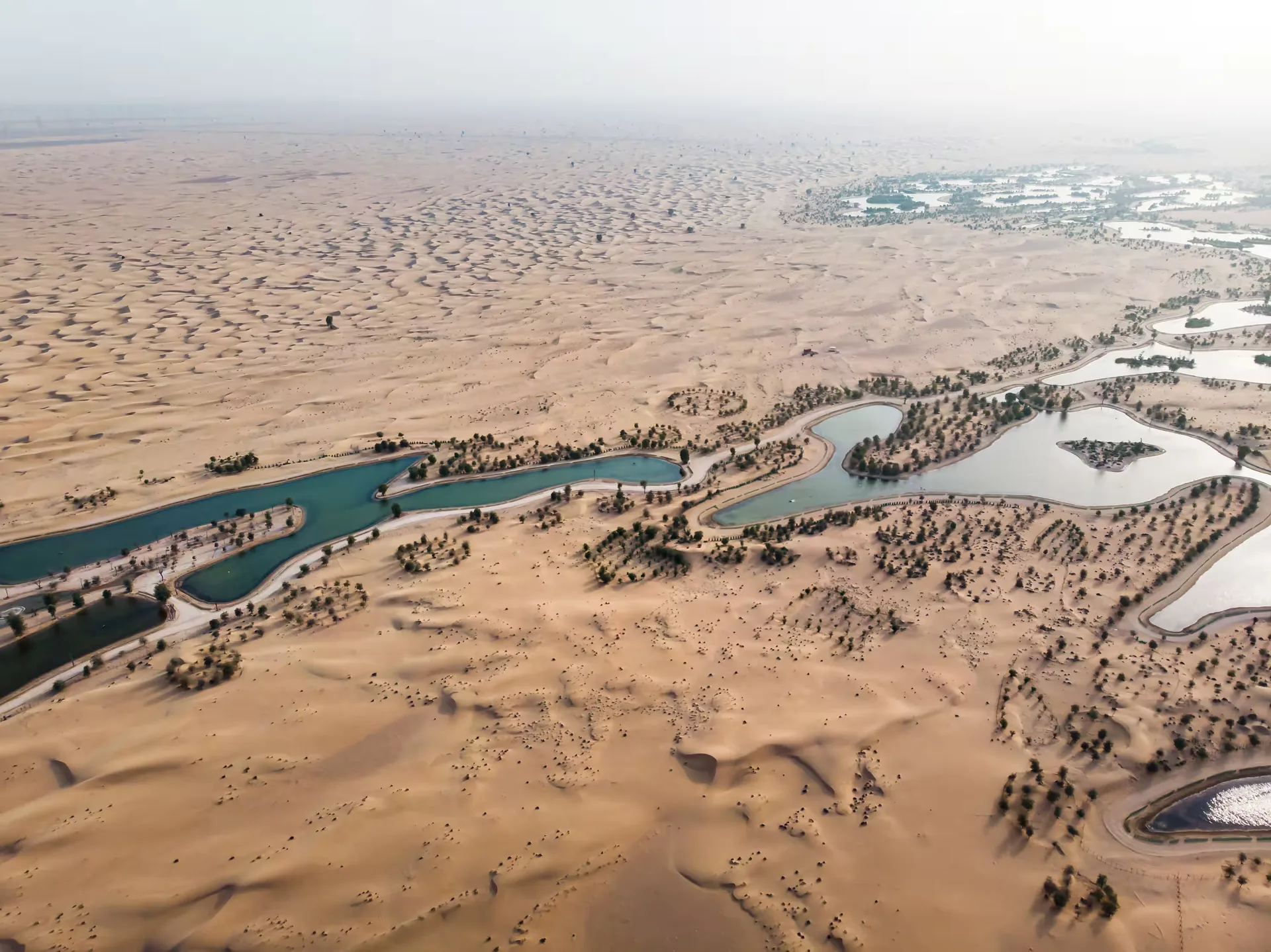
Forty minutes south of Downtown, past the last of the city's warehouses, the desert opens up and then, unexpectedly, turns green. Trees, reed beds, still water, black swans, and in winter, hundreds of flamingos standing in a lake surrounded by sand dunes.
Al Qudra Lakes are one of the most genuinely surprising places in Dubai, and one of the least visited by tourists. They are free, they are open all year, and there is no ticket office, no queue, and no gift shop.
That lack of infrastructure is exactly why people get the visit wrong. Here is what to know before you go.
Al Qudra Is Not One Lake
This is the single most useful thing to understand, and the reason so many first visits end with people driving around in circles.
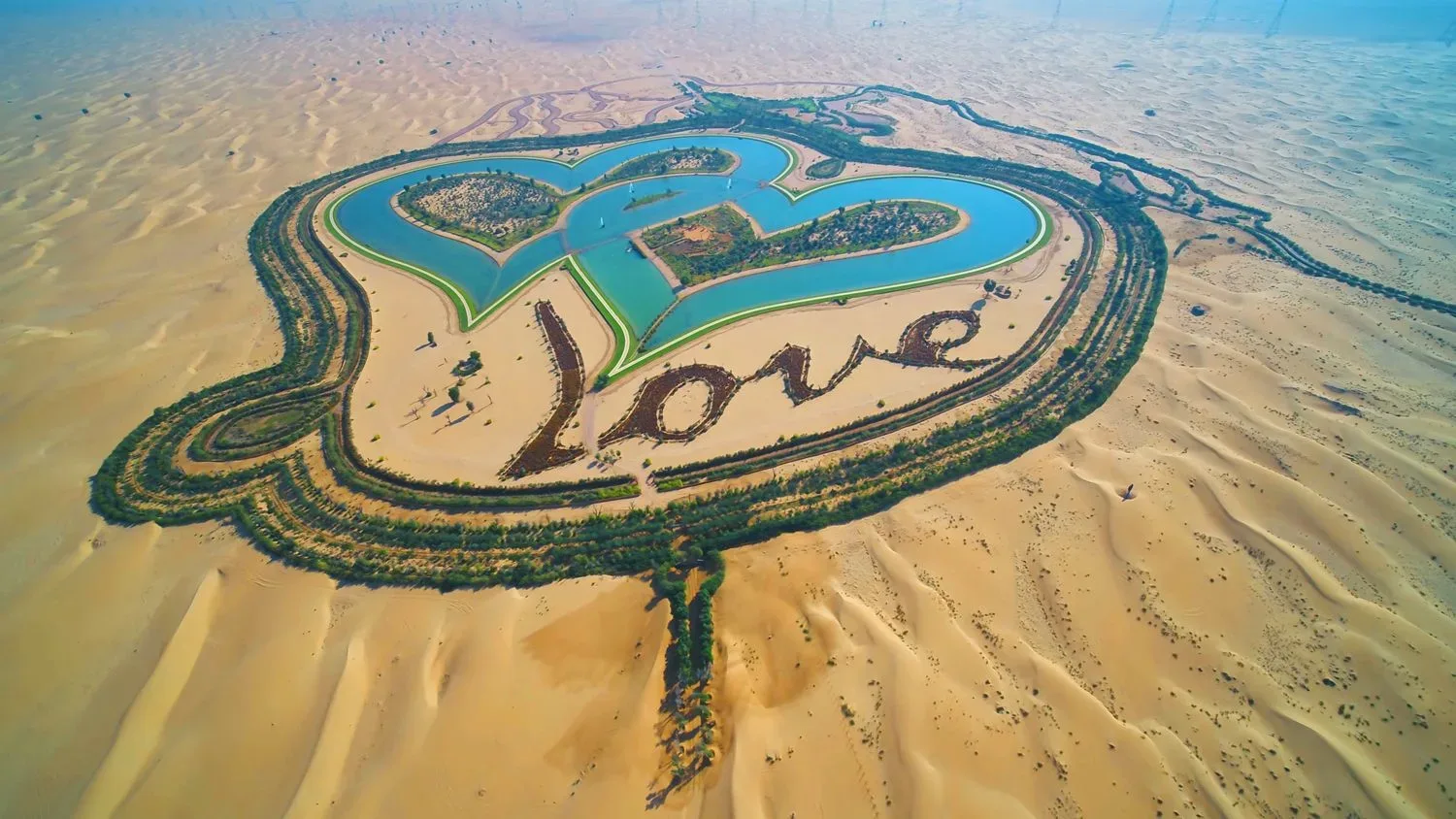
Al Qudra is a cluster of more than ten man made lakes spread across the desert, not a single destination. The best known are Love Lake, two lakes shaped as interlocking hearts that are visible from satellite imagery, and Moon Lake. A newer lake was built in the shape of the Expo 2020 logo.
They are not all next to each other. Typing "Al Qudra Lake" into a map app will take you to one pin, which may not be the one you wanted. Decide in advance which lake you are going to, search for it by its specific name, and treat the others as optional extra stops.
The whole area sits inside the Al Marmoom Desert Conservation Reserve, the first unfenced nature reserve in the UAE, covering roughly ten percent of Dubai's total land area. Unfenced is the key word. There is no gate, no entry point, and no staff at the entrance, because there is no entrance.
What You Actually See
The lakes were built to attract wildlife, and they worked. The reserve records more than 360 bird species, over 150 of them migratory, along with Arabian oryx, gazelles, desert foxes, and reptiles you will almost certainly not see because they have more sense than to come out in daylight.
Flamingo Season
The headline is the flamingos. The reserve holds the highest concentration of greater flamingos in a desert environment anywhere in the country, with flocks commonly estimated at 300 to 500 birds.
They are seasonal. Winter is when they are reliably present, which lines up with the only sensible months to visit anyway. If flamingos are the reason you are going, go between roughly November and March, and go early in the day when the birds are most active and the light is soft.
Everything Else
Black swans, geese, ducks, herons, and egrets are around for more of the year. The lakes also have bird watching towers, and they are worth climbing for the view across water and dunes together, which is the image that makes this place feel like nowhere else in Dubai.
The Al Qudra Cycle Track
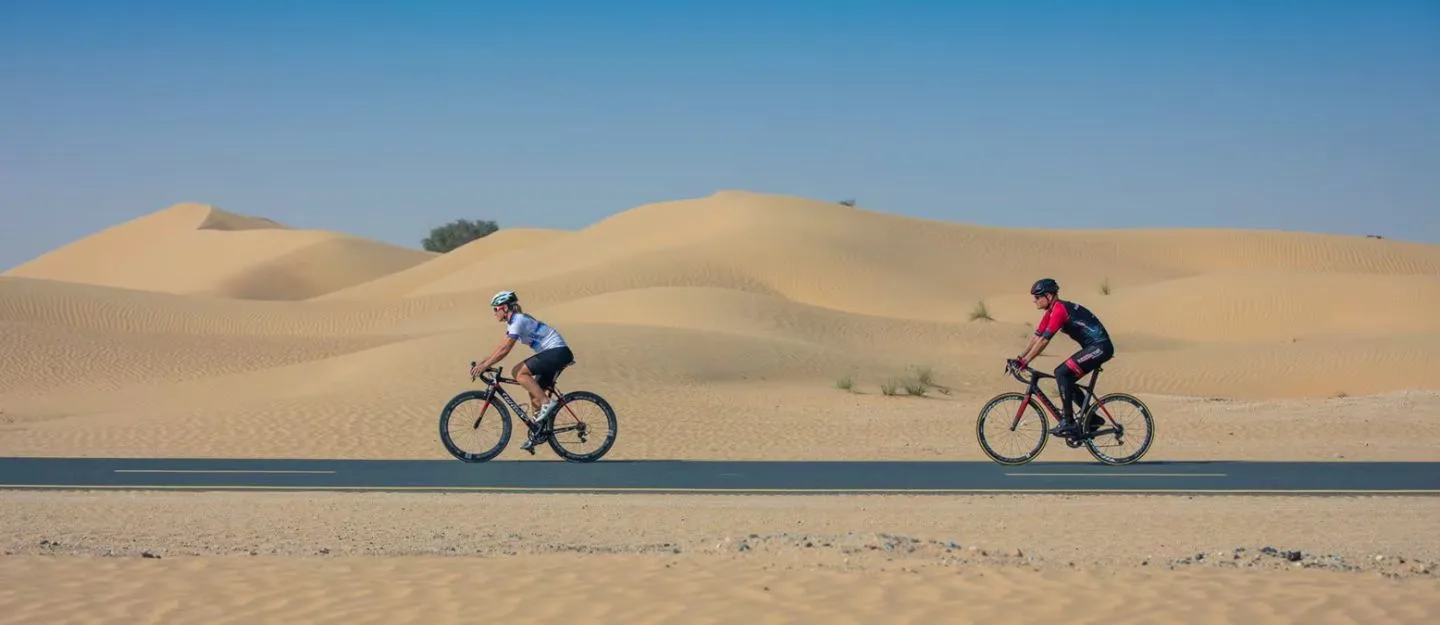
Al Qudra is also home to the most famous cycling route in the UAE, and a large share of visitors come for the track rather than the lakes.
The main loop runs around 86 kilometres of smooth, dedicated tarmac through the desert, with shorter loop options for people who do not want to spend half a day in the saddle. It is free to use and open around the clock.
Renting a Bike
You do not need to bring your own. The cycle hub near the start of the track has a bike shop with rentals, helmets, and repairs, alongside food trucks, restrooms, lockers, and showers.
Rental prices vary by bike type and day of the week, running from roughly AED 50 up to around AED 100 depending on whether you choose an aluminium or carbon bike and how long you keep it. Weekend rates are noticeably higher than weekdays, and pre booking is sensible on Friday and Saturday mornings when the regulars are out in force.
Things Regular Riders Know
Most groups ride clockwise. Go the other direction and you will have the track largely to yourself, which is either peaceful or isolating depending on your temperament.
There are no services along most of the route. Carry more water than you think you need and a power bank, because mobile signal drops out in stretches.
Start at dawn in the shoulder months. Even in October and March, the desert heats up quickly after mid morning, and the track has no shade whatsoever.
Do not ride alone on the full loop if you are not an experienced cyclist. It is a long way from anywhere, and a flat tyre forty kilometres out is a real problem.
Getting There
By Car
Driving is the only practical option. The lakes are around 50 kilometres south of Downtown, roughly 40 to 50 minutes depending on traffic, reached via Al Qudra Road.
Paved roads get you close to the main lakes and the cycle hub, and a normal sedan is fine on them. Some access tracks to specific lakes are sandy for the final stretch. If your car is not built for sand, park on the tarmac and walk the last part rather than risking getting stuck.
Parking and restrooms are free.
Without a Car
There is no metro or bus service that gets you close. A taxi or ride hailing app works for getting there, but getting back is the problem. You may wait a long time for a car to accept a pickup this far out, and patchy signal makes it harder.
If you do not drive, either book a return trip in advance, keep your driver waiting, or join a tour that includes transport.
The Rules, Honestly
This is a conservation reserve, and it is enforced more than most visitors expect.
No swimming. The lakes are off limits to protect water quality and wildlife, however tempting the water looks.
No feeding the animals. It changes their behaviour and it is prohibited.
No fires directly on the sand. Dubai Municipality has issued fines for exactly this. If you bring a barbecue, it must be a raised, contained grill, and charcoal goes in the provided containers, not buried in the dunes.
Take every piece of rubbish home. Littering fines in protected areas are serious, and there are few bins.
Stay on the tarmac with vehicles. Driving across the dunes inside a reserve can carry heavy penalties.
On overnight stays, the honest answer is that rules around Al Qudra have changed several times over the years, and sources contradict each other. Signs banning camping were put up at one point, other areas are described as designated sites, and longer stays now run through a permit system. If you are planning anything beyond a day visit, confirm the current rules directly with Dubai Municipality rather than trusting a blog, including this one.
What to Bring
Al Qudra has almost none of the things Dubai has trained you to expect. There is limited food near the lakes themselves, few shops, and patchy phone coverage.
Water, and more than you think.
Food for a picnic, unless you are stopping at the cycle hub food trucks.
Sun protection, since shade is limited outside the tree lined areas around the lakes.
Binoculars if you want to see the flamingos properly. They keep their distance.
A power bank and your route saved offline.
A rubbish bag.
Combine It With the Rest of Al Marmoom
Al Qudra sits in the same wider desert area as some other things worth pairing with it, which turns a lake visit into a proper day out.
Al Marmoom Camel Racetrack runs traditional races in the early morning through the winter season, with free entry for spectators. Arrive for a morning race, then head to the lakes as the birds settle.
Al Marmoom Heritage Village hosts cultural festivals and traditional crafts, and is worth checking for what is on during the winter months.
Timing, Simplified
Best months. October to March, with flamingos most reliable from around November.
Best time of day. Early morning. Cooler, quieter, better light, more active wildlife.
Best days. Weekdays. Weekends bring cyclists, picnicking families, and the busiest version of the lakes.
Avoid. Summer. Between roughly May and September the heat makes both cycling and walking genuinely unsafe for most of the day.
Final Takeaway
Al Qudra is the rare Dubai experience that costs nothing, needs no booking, and still feels like a discovery. Lakes in the desert, flamingos against dunes, and a cycling track that people fly in from abroad to ride.
The catch is that it gives you nothing for free except the landscape. No directions, no facilities at most of the lakes, no staff, and no easy way home without planning. Go prepared, go early, pick your lake in advance, and it is one of the best mornings you can have anywhere in the emirate.
You can browse more hidden gems across Dubai, with timings and opening status, on Day & Night Dubai.