Dubai Is Spending AED 80 Million to Light Up Its Oldest Districts After Dark
Dubai Creek Lights will run 5,000 lighting units across 8km and six districts by early 2027. What the project covers, and why the location choice matters.
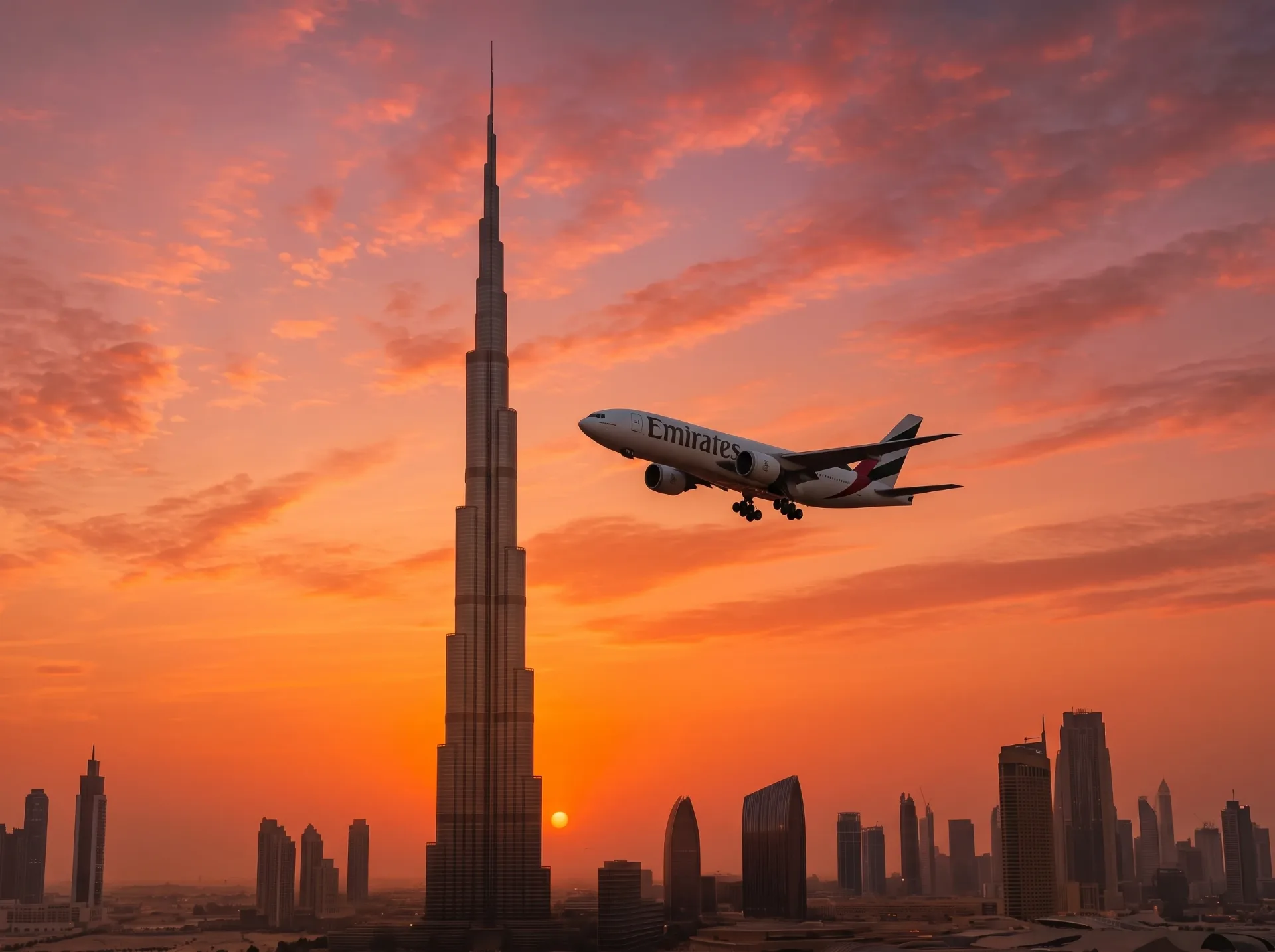
For the last thirty years, Dubai after dark has meant one thing: the new city. The fountain show at the base of the tallest building in the world, the marina reflecting off the water, the Palm lit up from an observation deck.
Dubai Municipality has just committed AED 80 million to changing that, and the location it picked is worth paying attention to. The Dubai Creek Lights project will turn eight kilometres of the oldest part of the city into a dedicated nighttime destination, and the districts on the list are almost all heritage sites.
What the Project Covers
More than 5,000 lighting units installed across eight kilometres of Dubai Creek, scheduled for completion in the first quarter of 2027.
The installation covers six separate locations:
Creek Quay
The Creek Promenade at the Gold Souq, in Deira
The Creek entrance at Infinity Bridge
Al Shindagha Historic District
Bur Dubai Souq
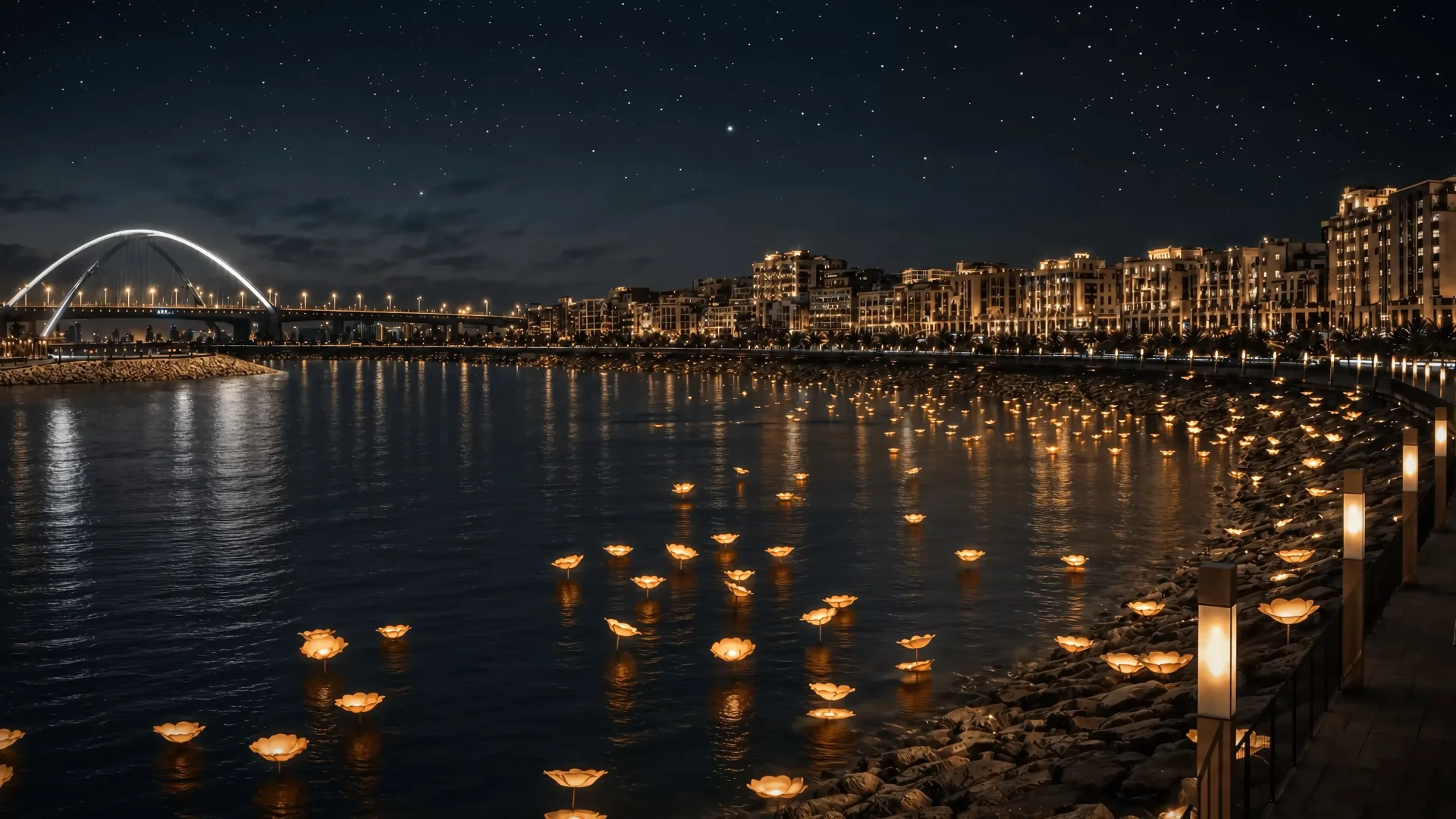
Al Seef Marina
The scheme is designed to be visible from more than 1,500 feet above ground, roughly 450 metres, which puts it in view from aircraft on approach to Dubai International and from the upper floors of buildings across a wide stretch of the city.
Designs released by Dubai Municipality show a mix of standard street lighting and decorative floral fixtures, tailored to the architectural character of each district rather than applied uniformly across all six.
The project also carries a sustainability requirement. Because the creek is a working waterway with a live marine ecosystem, the lighting has been designed to minimise environmental impact on marine life, which is a genuine constraint on a project of this type and not a small one to engineer around.
Why the Location Choice Is the Real Story
The obvious way to build a nighttime destination in Dubai would be to add more to the areas that already do it well. More light in Downtown, more spectacle on the Palm, more along Marina.
Instead, the money is going to Deira, Bur Dubai, Al Shindagha, and the creek itself. These are the parts of the city that existed before the towers, and they have historically been daytime destinations. You walk the souks in the afternoon, cross by abra, and then leave for dinner somewhere newer.
There is also a historical logic to it that the Municipality has been explicit about. For decades, the lights along the creek's banks were navigation lights, guiding dhows carrying goods in and out of the port that built this city's economy. The project frames the new installation as light returning to the same water for a different purpose, which is a neater piece of storytelling than most infrastructure announcements manage.
The Context: Dubai Was Just Named the World's Most Beautiful City at Night
The timing is not coincidental. The project follows Dubai's recognition as the World's Most Beautiful City at Night for 2026, based on a global study that assessed safety, the quality of the nighttime urban experience, the diversity of evening attractions, the availability of dedicated public spaces, and overall visual appeal of the urban environment.
That is a useful list to read carefully, because it is not simply a ranking of which skyline photographs best. Safety, public space availability, and diversity of evening attractions are all measures of whether a city is genuinely usable after dark rather than just decorative.
Dubai Creek Lights reads as a direct response to that assessment. The creek districts score well on heritage and character and less well on whether there is a reason to be there at 9 PM. Eight kilometres of considered lighting is an attempt to close that specific gap.
What You Can Already Do at the Creek After Dark
Completion is scheduled for early 2027, so this is a story about what the area is becoming rather than a reason to go tonight. That said, the creek is already one of the better evening walks in the city, and it costs almost nothing.
Al Seef runs 1.8 kilometres along the Bur Dubai bank, split between a recreated heritage section and a modern waterfront stretch. Cafes and restaurants line the water, dhows pass constantly, and the whole promenade is comfortable in the evening for most of the year.
The abra crossing operates until around midnight for one dirham. Crossing the creek after dark, with the water black and the lights of both banks moving past, is a completely different experience from the daytime version and remains the best value ride in Dubai.
The Gold Souk stays open into the evening, and the sheer density of illuminated shopfronts is arguably more striking at night than in daylight.
Al Shindagha Historic District on the Bur Dubai side houses a museum complex covering the creek's history and the city's development, and the waterfront around it is quiet in a way very few parts of Dubai manage to be.
Combine those and you have a genuinely good evening for the price of two abra crossings, which is a sentence that applies to almost nothing else in this city.
What This Means Longer Term
If the project delivers as described, the practical effect is that Old Dubai stops being a half-day daytime stop and becomes a legitimate evening destination.
That matters more than it might sound. Right now, most visitor itineraries treat the creek as a morning or afternoon block, followed by a taxi to somewhere newer for the evening. A properly lit eight kilometre waterfront with six activated districts changes that calculation.
Worth being clear about what this is and is not. This is not a nightlife project. There are no clubs or bars coming to Al Shindagha. What it creates is something Dubai has relatively little of: a walkable, low cost, culturally grounded evening that does not involve a mall, a rooftop, or a beach club. Closer to an evening passeggiata along a European waterfront than to anything in Downtown or on the Palm.
For a city whose evening identity has been built almost entirely on things constructed after 1990, deliberately investing in the oldest part of town after dark is a genuinely interesting decision.
Follow how the city changes after dark on Day & Night Dubai.