
Culture & Heritage in Dubai
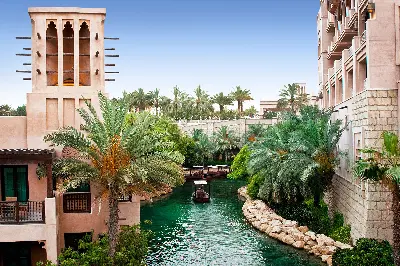
Madinat Jumeirah
Madinat Jumeirah is Dubai's most spectacular Arabian-themed resort complex, a 40-hectare recreation of an old Arabian town with 4 km of waterways, 75+ shops at Souk Madinat Jumeirah, 50+ restaurants, three luxury hotels (Al Qasr, Mina A'Salam, Jumeirah Al Naseem) and the Madinat Theatre. The complex centres on the dramatic Burj Al Arab views from its waterfront promenades, with traditional wooden abras taxiing guests between the hotels and souk along the artificial canals. Includes the iconic TODA Theatre of Digital Art, multiple beaches and the Talise Spa.Quick facts:Duration 3–4 hours · 4 km waterways · Burj Al Arab views · Free souk accessDid you know?Madinat Jumeirah's traditional wooden abras navigate 4 km of artificially-created saltwater canals – making it the largest themed resort waterway system in the Middle East. The architecture replicates the wind-tower style of Al Fahidi but on a luxury resort scale.Best time to visit:Late afternoons (4–7 PM) for golden-hour Burj Al Arab photos from the waterfront; evenings during winter months bring atmospheric Christmas markets and Ramadan tents.Where to eat nearby:50+ restaurants on-site including Pierchic (over-water seafood), Folly by Nick & Scott (modern European), Pai Thai (waterfront Thai) and Shimmers (beachfront Greek).Tip:Souk Madinat Jumeirah and abra rides are accessible to non-hotel guests – walk in for free and pay AED 100 for an abra tour or visit the rooftop Bahri Bar for the best Burj Al Arab views with cocktails. Prices may vary – check official website.
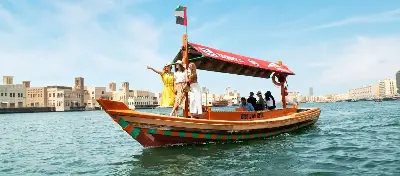
Dubai Creek Abra Crossing
Dubai Creek Abra Crossing is Dubai's oldest operational public transport system, a traditional wooden abra ferry service crossing Dubai Creek between Bur Dubai Abra Station and Deira Old Souk Abra Station for just AED 1 per crossing. Operating since 1894, the 5-minute crossing by traditional wooden boats transports 20+ passengers at a time between the Spice Souk/Gold Souk area on the Deira side and the Textile Souk/Al Fahidi Historical District on the Bur Dubai side. Over 20 million passengers use the abras annually – making it one of the world's busiest traditional water transport systems.Quick facts:Duration 5 minutes · AED 1 fare · Since 1894 · Cash onlyDid you know?The Dubai Creek abra fare has remained AED 1 per crossing for over 30 years – despite Dubai's transformation into a global metropolis – as Dubai Municipality deliberately keeps the fare affordable to preserve the traditional character of the 130-year-old crossing.Best time to visit:Early mornings (7–10 AM) and evenings (after 5 PM) for the most scenic lighting on the creek and the traditional wooden dhows; afternoons can be very hot in summer.Where to eat nearby:The Bur Dubai and Deira sides have dozens of traditional restaurants within 5 minutes' walk; Al Fahidi's Arabian Tea House is particularly recommended for the authentic heritage dining experience.Tip:Carry exact AED 1 coins – abras accept cash only, no cards or Nol cards. Private abra hire is also available for AED 120 per hour for a scenic creek tour.
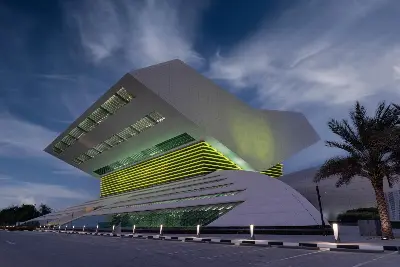
Mohammed Bin Rashid Library
The Mohammed Bin Rashid Library (MBRL) is Dubai's flagship cultural institution, a seven-storey landmark on Dubai Creek designed in the shape of an open book on a lectern. Opened in June 2022 at a cost of AED 1 billion, it houses over 4.5 million printed, digital and audio books across nine specialised libraries, plus a 550-seat theatre, exhibition spaces, a children's library, a rare books museum and a creekside café.Quick facts:Duration 2–3 hours · Free entry · 7 storeys · Closed SundaysDid you know?The library's striking lectern-shaped design makes it one of the most photographed modern buildings in Dubai – the structure took six years to build and is one of the largest cultural projects in Dubai's history.Best time to visit:Weekday mornings are quietest; book your slot online in advance as entry requires registration even though it's free.Where to eat nearby:The library has a two-storey café on site with creek views; nearby Al Jaddaf and Festival City offer a wider range of dining options.Tip:Don't miss the rare books museum on the top floor and the Languages Garden outside with 60 pillars quoting Sheikh Mohammed bin Rashid – both included with your free admission.
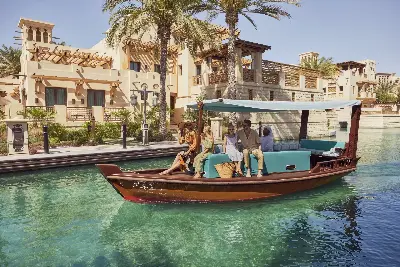
Madinat Jumeirah Abra Ride
Madinat Jumeirah Abra Ride is a 20-minute scenic waterway tour through the spectacular Arabian-themed Madinat Jumeirah resort, exploring 4 km of artificially-created saltwater canals that wind between the three Jumeirah luxury hotels (Al Qasr, Mina A'Salam, Jumeirah Al Naseem) and Souk Madinat Jumeirah. Traditional wooden abras with covered seating offer dramatic Burj Al Arab views throughout the ride, with the friendly boat captains pointing out architectural highlights and the best photo spots. Operates daily during resort hours with walk-up availability.Quick facts:Duration 20 minutes · AED 100 per adult · 4 km waterways · Burj Al Arab viewsDid you know?Madinat Jumeirah's abras navigate 4 km of artificially-created saltwater canals – the largest themed resort waterway system in the Middle East – with the boats deliberately designed to replicate the traditional wooden abras still used on Dubai Creek.Best time to visit:Late afternoons (3–6 PM) for golden-hour Burj Al Arab photography; sunset rides offer dramatic lighting against the sail-shaped hotel silhouette.Where to eat nearby:50+ restaurants throughout Madinat Jumeirah including Pierchic (over-water seafood), Folly, Pai Thai (waterfront Thai) and Shimmers (beachfront Greek).Tip:Non-hotel guests can walk into Souk Madinat Jumeirah and book abra tickets at the ride counter; private abra hire available from AED 250 per hour for up to 8 people. Prices may vary – check official website.
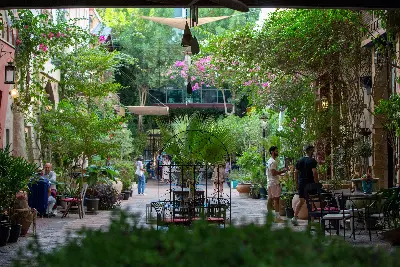
The Courtyard - Al Quoz
The Courtyard Art & Community Centre is a pioneering cultural hub in Dubai's Al Quoz, founded by architect Dariush Zandi in 1998. Built from a vision of transforming an industrial area into a creative destination, the complex was constructed using reclaimed materials collected from across the UAE over 25 years. Comprising ten low-rise buildings, it became one of Dubai's earliest creative sanctuaries, predating Al Quoz's emergence as the city's contemporary art district. Designed around shaded courtyards and a central fountain, the Centre brings together the Total Arts gallery, a 70-seat theatre, design studios, concept stores, and a bistro, creating a vibrant, freely accessible space where artists, culture, and community come together.Quick facts:10 buildings · 70-seat theatre · free entry · art gallery & concept stores · unique cafesDid you know?The Courtyard was constructed using salvaged materials including discarded timber ship hulls from Al Jaddaf's shipbuilding district, bricks from a Sharjah bakery, and wrought-iron railings from old Deira houses.Best time to visit:Weekday mornings or early afternoons, when the courtyards are quietest and most conducive to a relaxed wander through the galleries and shops.Where to eat nearby:An on-site bistro and a coffee and juice bar serve light meals and drinks within the complex itself.Tip:Entry to the grounds and galleries is free, though some events or performances at the on-site theatre may require separate tickets. Prices may vary – check official website.
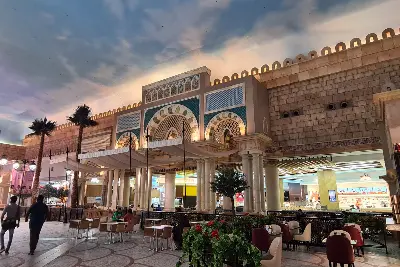
Ibn Battuta Mall
Ibn Battuta Mall is Dubai's most uniquely themed shopping centre, a 1 km long mall in Jebel Ali with six themed courts inspired by the travels of legendary 14th-century explorer Ibn Battuta – Andalusia, Tunisia, Egypt, Persia, India and China. Beyond its 270+ retail outlets and 50+ dining options, it features stunning architectural recreations including a full-size replica Chinese junk, Persian dome, Mughal palace and Andalusian fountain.Quick facts:Duration 3–4 hours · 270+ stores · 6 themed courts · 1 km longDid you know?Each of Ibn Battuta Mall's six courts is decorated to historically accurate detail – including a full-size replica Chinese junk in China Court, an Andalusian fountain, and a Mughal palace dome with hand-painted ceiling.Best time to visit:Weekday afternoons are quietest; allow extra time just to enjoy the architecture before shopping.Where to eat nearby:Over 50 restaurants and cafés inside the mall – with cuisines themed to match each court (e.g. Chinese restaurants in China Court).Tip:Take Dubai Metro Red Line directly to Ibn Battuta Station – the mall has its own station with a covered walkway. The mall is so long it has multiple metro entrances at each end.
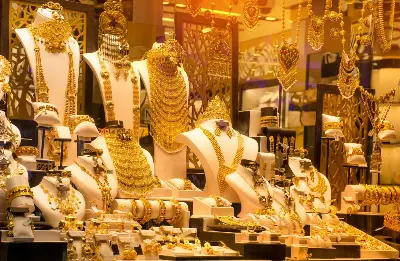
Gold Souk
The Dubai Gold Souk is the world's most famous gold trading market, a covered traditional souk in Al Ras, Deira where 300+ jewellery retailers display tens of tonnes of gold in open windows. Operating since the 1940s, it offers 18-, 21-, 22- and 24-karat gold jewellery, diamond jewellery, silver and pearls at globally competitive prices regulated by the Dubai government, with bargaining the standard practice and the famous world-record 64 kg gold ring on permanent display.Quick facts:Duration 1–2 hours · 300+ shops · Free entry · Bargaining expectedDid you know?At any given time, the Dubai Gold Souk holds approximately 10 tonnes of gold across its 300+ shops – more than the gold reserves of many small countries.Best time to visit:Late afternoons (4 PM onwards) when most shops reopen after the midday break and stay open until 10 PM.Where to eat nearby:The surrounding Deira district has dozens of authentic Indian, Pakistani, Iranian and Arab eateries; the Waterfront Market is a 5-minute drive for fresh seafood.Tip:Always negotiate – starting prices are typically 30–50% higher than the final price. Gold rates are based on the day's spot price plus a small "making charge" that's where bargaining happens. Prices may vary – check official website.
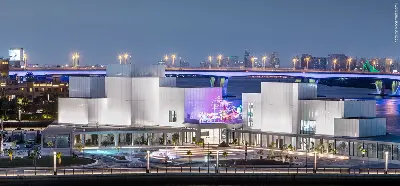
Jameel Arts Centre
Jameel Arts Centre is one of Dubai's first independent contemporary art institutions, set along the Jaddaf Waterfront on Dubai Creek. Founded by philanthropist Abdul Latif Jameel and opened in 2018, the three-storey complex features over 1,000 sqm of rotating gallery space, an outdoor sculpture park, seven desert-inspired gardens, a rooftop terrace, research library, writer's studio, and the Michelin Green Star restaurant Teible.Quick facts:Duration 2 hours · Free entry · Sculpture park · Closed TuesdaysDid you know?Jameel Arts Centre was recognised in the inaugural Art Basel Awards in the Museums and Institutions category – and the on-site Teible restaurant holds a Michelin Green Star for sustainable dining.Best time to visit:Weekday afternoons are quietest; allow at least 2 hours to explore the galleries, sculpture park and rooftop terrace.Where to eat nearby:Teible inside the centre offers Michelin-recognised farm-to-table dining; the nearby Jaddaf Waterfront promenade has several cafés and restaurants with creek views.Tip:Entry is completely free – combine with a visit to the adjacent Jaddaf Waterfront Sculpture Park, the UAE's first open-air sculpture park, at no extra cost.
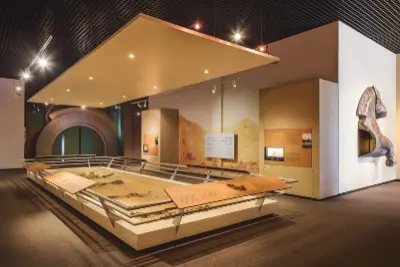
Emirates Soil Museum
The Emirates Soil Museum is a unique scientific museum dedicated to the study of soil science in the arid Gulf region – the first of its kind in the UAE. Operated by the International Center for Biosaline Agriculture (ICBA) in Dubai, the museum features interactive exhibits on soil formation, desert ecosystems, sustainable agriculture and the often-overlooked role of soils in supporting life, making it a surprisingly engaging stop for families and students.Quick facts:Duration 45–60 minutes · Free entry · At ICBA campus · Weekdays onlyDid you know?The Emirates Soil Museum is the first soil science museum in the Arab world and one of only a handful globally – it was launched with support from the International Union of Soil Sciences.Best time to visit:Weekday mornings only – the museum operates on standard business hours and closes on Fridays and Saturdays.Where to eat nearby:The ICBA campus in Dubai's Al Ruwayyah area is relatively remote – pack snacks or plan to drive to nearby Mirdif or International City for restaurant options.Tip:Call ahead to confirm opening hours – the museum is a research facility first and may require pre-booking for group visits or guided tours. Prices may vary – check official website.
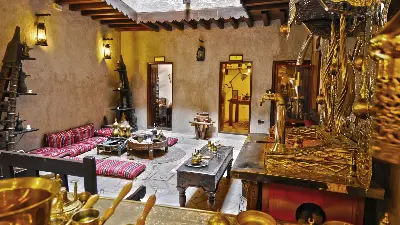
Dubai Coffee Museum
The Dubai Coffee Museum is a charming small museum in the Al Fahidi Historical Neighbourhood dedicated entirely to coffee history, culture and ritual. Housed in a restored traditional villa, it features antique coffee grinders, brewing tools and documents from around the world, plus a coffee brew bar where visitors can taste Arabic, Ethiopian, Turkish and Japanese coffee preparations. Entry is free and the museum operates its own café and gift shop.Quick facts:Duration 45–60 minutes · Free entry · In Al Fahidi · Closed FridaysDid you know?The museum is the first dedicated coffee museum in the Middle East and houses 300-year-old coffee-related antiques including Ethiopian 'Jebena' clay pots and Yemeni coffee roasters – tracing the bean's journey from discovery to global commodity.Best time to visit:Mid-morning or mid-afternoon – the coffee brew bar is fully staffed during these hours and you can sample fresh preparations.Where to eat nearby:The entire Al Fahidi district is packed with heritage cafés and restaurants including Arabian Tea House, XVA Café and the Make Art Café – all within 5 minutes' walk.Tip:Entry is free but the coffee tastings have a small fee; combine with visits to other Al Fahidi attractions like the Coin Museum, SMCCU and the Dubai Museum for a full heritage morning.
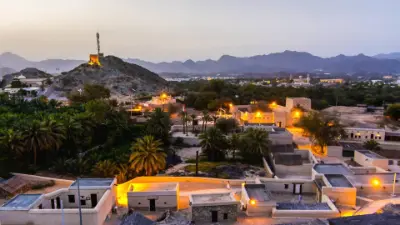
Hatta Heritage Village
Hatta Heritage Village is a meticulously restored traditional Emirati settlement set against the dramatic Hajar Mountains – offering a window into pre-1960s UAE life through its mud-brick houses, watchtowers, mosque, falaj irrigation system, and a museum displaying agricultural tools, traditional clothing, weaponry and household items. Built around the 200-year-old Hatta Fort, the village covers a hillside complex with traditional date palm gardens, a small souk and shaded resting areas.Quick facts:Duration 1–2 hours · Free entry · Open 8 AM – 8 PM · Dating from 1700sDid you know?Hatta Heritage Village contains a 200-year-old fort, watchtowers and a falaj irrigation system that's still partially functional today – making it one of the UAE's most authentic preserved traditional Emirati settlements.Best time to visit:Late afternoons (4–7 PM) for the most comfortable temperatures and the best lighting on the mud-brick architecture; cooler months (October–April) offer ideal exploring conditions.Where to eat nearby:The on-site café offers traditional Emirati tea and snacks; the wider Hatta area has additional restaurants near Hatta Wadi Hub and Hatta Fort Hotel.Tip:Combine with Hatta Hill Park, Hatta Dam, and the Honey Bee Discovery Centre for a complete cultural and outdoor day in the Hatta exclave.
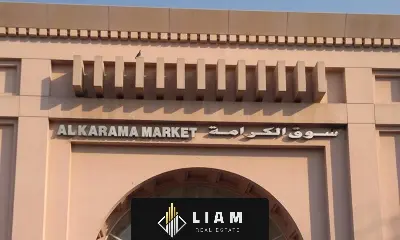
Al Karama Market
Al Karama Old Market is Dubai's go-to destination for bargain shopping and inexpensive souvenirs, a grid of narrow streets in the Karama neighbourhood packed with 200+ small shops selling clothes, handbags, accessories, shoes, perfumes, watches, electronics and souvenirs at heavily negotiable prices. Famously known as "Bargain Street" or "Karama Copy Market", it's a sensory experience where haggling is expected and foreign tourists are the primary clientele.Quick facts:Duration 1–2 hours · 200+ shops · Free entry · Heavy bargainingDid you know?Karama's merchants will often take customers to hidden side-room storerooms where "premium" versions of requested items are kept – this is a normal part of the Karama shopping culture but tourists should use judgment.Best time to visit:Morning and early afternoon when the market is quieter; evenings bring tour groups and more aggressive selling.Where to eat nearby:The Karama neighbourhood has some of Dubai's best authentic Indian, Pakistani, Filipino and South Asian restaurants – Karama's food scene is as famous as its shopping.Tip:Never accept the first price – typical opening prices are 200–400% above final prices. Walk away to test the seller's flexibility, and shop with a specific budget in mind.
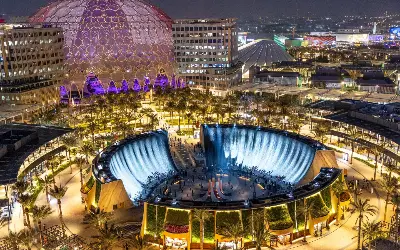
Expo City Dubai
Expo City Dubai is the transformed permanent legacy of Expo 2020 Dubai, a 4.38 sq km sustainable smart city in Dubai South that retains the original Expo's most iconic structures and converts the wider site into a working city with offices, residences, schools, the Expo City Mall, parks and major attractions. The site hosts the three flagship pavilions (Terra, Alif, Mobility+), Al Wasl Plaza (the central 150m-diameter 360-degree projection dome), the Women's Pavilion, Vision Pavilion, the Dubai Exhibition Centre and hosts year-round events including COP28 legacy programming, Expo City Runs, festivals, concerts and the annual Winter City market.Quick facts:Duration 3–6 hours · 4.38 sq km · Ex-Expo 2020 legacy · Year-round eventsDid you know?Expo City Dubai hosted COP28 (the UN Climate Change Conference) in November-December 2023 – with over 83,000 delegates attending, making it the largest COP conference in history and a milestone in global climate action.Best time to visit:Cooler months (October–April) for outdoor exploration; evenings offer the dramatic Al Wasl Plaza dome projections and the best lighting on the architectural pavilions.Where to eat nearby:30+ on-site restaurants and cafés including international cuisine, food trucks and the Expo City Mall food court; the surrounding Dubai South has additional dining options.Tip:Buy the Expo City Pass for discounted entry to all three flagship pavilions (Terra, Alif, Mobility+). Free entry to Al Wasl Plaza and general grounds; free parking available. Many evening events are free to attend.
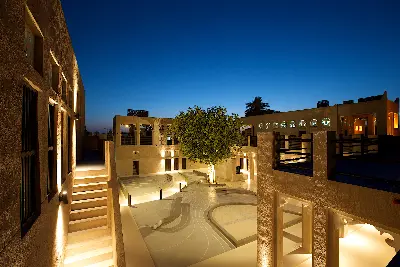
Saruq Al-Hadid Archaeological Museum
The Saruq Al-Hadid Archaeological Museum displays artefacts from one of the UAE's most important archaeological sites – an Iron Age metalworking centre deep in the Al Marmoom desert, discovered by Sheikh Mohammed bin Rashid Al Maktoum himself during a 2002 helicopter flight. Housed in a beautifully restored 1928 wind-tower building in Al Shindagha, the museum showcases gold jewellery, weapons, pottery and bronze artefacts dating back over 3,000 years.Quick facts:Duration 45–60 minutes · Opened 2016 · In historic 1928 building · Iron Age findsDid you know?An ornate gold ring found at Saruq Al-Hadid inspired the official logo of Expo 2020 Dubai – directly linking the emirate's ancient past to its global ambitions.Best time to visit:Weekday mornings are quietest – the museum is small and rarely crowded, making it an ideal 45-minute stop during an Al Shindagha heritage walk.Where to eat nearby:The Shindagha promenade has several traditional cafés; Bait Al Wakeel nearby offers Emirati seafood with creek views.Tip:Buy the tickets directly at the counter upon arrival for the fastest, easiest entry. Adults pay 20 AED and children aged 7–12 pay 10 AED; under 7s and seniors enter free. Always check the official website for current pricing.

Evening Desert Safari
Evening Desert Safari is Dubai's most iconic tourist experience, a 6–7 hour sunset-to-night excursion operated by Platinum Heritage, Arabian Adventures and multiple licensed operators. The classic experience includes 4x4 dune bashing through the Dubai Desert Conservation Reserve, camel rides, sunset photography opportunities, sandboarding, visit to a traditional Bedouin desert camp, henna painting, falcon show, shisha, belly dancing and Tanura performances, and a multi-course BBQ dinner under the stars with traditional Arabic coffee and dates.Quick facts:Duration 6–7 hours · Sunset to 9 PM · BBQ dinner · Cultural showsDid you know?Platinum Heritage operates evening safaris in the protected Dubai Desert Conservation Reserve – home to 50+ native Arabian Oryx, 200+ Arabian gazelles, and strict environmental protection standards making it one of the world's most sustainable desert tourism operations.Best time to visit:Cooler months (October–April); pickup typically around 2:30–3:30 PM with return by 9:30–10:00 PM.Where to eat nearby:Multi-course BBQ dinner is included at the desert camp; unlimited Arabic coffee, dates, soft drinks and water throughout the experience.Tip:Premium safaris with Platinum Heritage use vintage 1950s Land Rovers for pickup and operate in the exclusive conservation reserve – worth the premium over standard tours. Prices may vary – check official website.
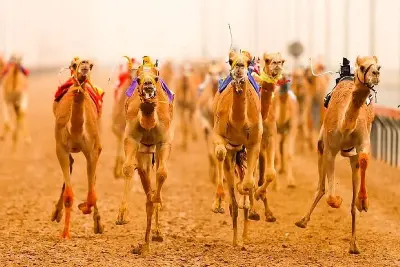
Al Marmoom Camel Racetrack
Al Marmoom Camel Racetrack is the UAE's premier camel racing venue, home to the Dubai Camel Racing Club with a 10 km circular racing track designed specifically for the traditional Emirati sport of camel racing. Races take place daily from 6:00 to 9:00 AM during the November–April season, with small remote-controlled robotic jockeys operating from owners' 4x4s that drive alongside the racing track. The venue features tourist grandstand viewing sections with live race screens, Arabic coffee and snacks, and is free for all visitors. Shares location with Al Marmoom Heritage Village.Quick facts:Duration 2–3 hours · Free entry · Sunrise races · Late Sept – Apr seasonDid you know?Al Marmoom's 10 km circular track is one of the longest camel racing tracks in the world – the races can last up to 8 minutes and feature up to 40 camels competing simultaneously, with owners racing alongside in 4x4s controlling their robotic jockeys.Best time to visit:Early mornings (6:00–9:00 AM) during the September–April season only; Friday mornings typically feature the biggest race meetings with major prizes.Where to eat nearby:On-site refreshments (Arabic coffee, dates, snacks); consider breakfast in Dubai before the early-morning pickup as no substantial dining nearby.Tip:Free tourist viewing in dedicated grandstand sections – arrive by 5:45 AM during major race days. Bring binoculars and warm clothing (desert mornings are cold in winter). Prices may vary – check official website.
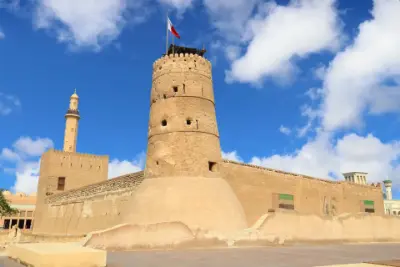
Dubai Museum (Al Fahidi Fort)
Housed inside Al Fahidi Fort – the oldest surviving building in Dubai, constructed in 1787 – Dubai Museum is the emirate's original and most historic museum. It tells the story of Dubai's transformation from a small pearling and fishing village to a modern global city, with life-sized dioramas of traditional souks, dhows, desert life and pearl diving, plus archaeological finds dating back over 3,000 years.Quick facts:Duration 1–1.5 hours · Inside Al Fahidi Fort · Oldest building in Dubai · Low entry feeDid you know?The fort reopens in the first half of 2026 after a five-year restoration, featuring six all-new galleries with interactive digital displays and archival photographs that bring Dubai's early history to life.Best time to visit:Morning visits are quietest; combine with a walk through the adjacent Al Fahidi Historical District for a full morning of Old Dubai heritage.Where to eat nearby:Arabian Tea House just outside the museum serves traditional Emirati dishes in a beautiful courtyard; XVA Café nearby offers vegetarian and Mediterranean fare in a heritage setting.Tip:The museum sits in the heart of Al Fahidi, so plan extra time to explore the Sheikh Mohammed Centre for Cultural Understanding, the Coffee Museum and the traditional wind-tower houses of the surrounding district. Prices may vary – check official website.
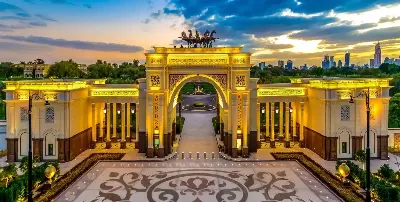
Zabeel Palace
Zabeel Palace is the official residence of His Highness Sheikh Mohammed bin Rashid Al Maktoum, Vice President and Prime Minister of the UAE and Ruler of Dubai. Set within a vast walled compound in the Zabeel district, the ornate white palace with its grand arched gates and manicured grounds is one of the most prestigious addresses in the Emirates. Viewing is external only.Quick facts:External viewing only · Free · No public entry · Royal residenceDid you know?The palace compound covers a significant portion of Zabeel and is patrolled by the Royal Guard – visitors are welcome to photograph from outside the gates but should not linger or photograph guards.Best time to visit:Morning or late afternoon for soft light on the white walls and gilded gates – the landmark is visible from Al Wasl Road.Where to eat nearby:Wafi City Mall is a short drive away with a wide range of dining options; Zabeel Park also has food kiosks nearby.Tip:This is a drive-by photo stop rather than a destination – combine with a visit to the nearby Dubai Frame in Zabeel Park for a more complete outing.
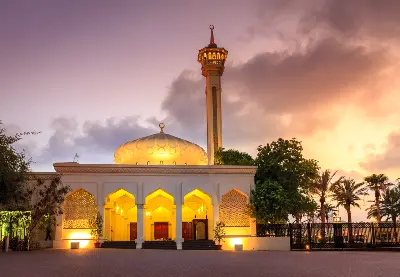
Bur Dubai Grand Mosque
Bur Dubai Grand Mosque is the largest mosque in the historic Bur Dubai district, distinguished by its striking 70-metre minaret – the tallest in the city. Rebuilt in 1998 on the site of a much older mosque that dates back to 1900, the complex sits in the heart of Old Dubai next to the Ruler's Court and the Al Fahidi Historical District, and can accommodate over 1,200 worshippers across its main prayer halls.Quick facts:Minaret 70 m (tallest in Dubai) · Capacity 1,200+ · Rebuilt 1998 · Functioning mosqueDid you know?The mosque's 70-metre minaret was for many years the tallest in Dubai and remains a defining landmark of the Bur Dubai skyline.Best time to visit:Outside of the five daily prayer times – non-Muslims may view the exterior freely but interior access is generally restricted to worshippers.Where to eat nearby:Al Fahidi Historical District is packed with heritage cafés like Arabian Tea House and XVA Café; Meena Bazaar is a short walk away with authentic Indian restaurants.Tip:Dress modestly when visiting – covered shoulders and knees are expected, and women should bring a headscarf for the area.

Private Classic Car Collection
The Private Classic Car Collection is a hidden gem in Deira housing 70+ vintage and classic vehicles plus a retro aircraft, all displayed inside the Al Serkal Building on Al Maktoum Road. Completely free to visit, this under-the-radar museum showcases the private collection of Nasser Bin Abdul Latif, featuring beautifully restored cars spanning over a century of automotive history – from early 20th century classics to iconic American muscle cars and European sports cars.Quick facts:Duration 1 hour · Free entry · 70+ vehicles · Weekdays onlyDid you know?The collection is a genuine hidden gem that most Dubai visitors never discover – completely free to enter and run as a passion project by its owner, with a retro aircraft displayed alongside the cars.Best time to visit:Weekday mornings only – the museum is open Monday to Friday during business hours and closed on weekends.Where to eat nearby:The Deira area has dozens of authentic Indian, Pakistani and Arab eateries; the Waterfront Market is a short drive away for fresh seafood.Tip:Call ahead to confirm opening times as the collection is privately owned and hours can vary – and remember it's completely free, so it's one of Dubai's best-value cultural experiences.
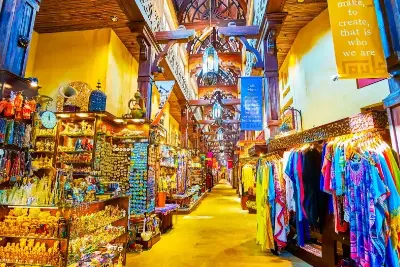
Textile Souk (Old Souk)
The Bur Dubai Textile Souk (Old Souq Bur Dubai) is one of Dubai's most atmospheric historic markets, a covered traditional souk along the Bur Dubai side of Dubai Creek packed with 100+ shops selling fabrics, pashminas, kaftans, kandoras, abayas, Indian saris, accessories and souvenirs. Located right next to the Bur Dubai Abra Station with views across to Deira, it's the destination for traditional Middle Eastern textiles and inexpensive souvenirs at heavily negotiated prices.Quick facts:Duration 1 hour · 100+ shops · Free entry · Bargaining expectedDid you know?The Bur Dubai Textile Souk is one of the oldest continuously operating markets in Dubai – the merchants and many of the original wooden walkways date back to the early 20th century when Bur Dubai was the city's commercial heart.Best time to visit:Morning hours (9 AM – 1 PM) are quietest; afternoons and evenings bring tour groups and busier merchant calls.Where to eat nearby:The surrounding Bur Dubai area has dozens of authentic Indian, Pakistani and Iranian restaurants; the Arabian Tea House in nearby Al Fahidi is famous for traditional Emirati food.Tip:Combine the souk with a 1 AED traditional abra ride across Dubai Creek to the Spice and Gold Souks in Deira – this is the most authentic Old Dubai cultural circuit.
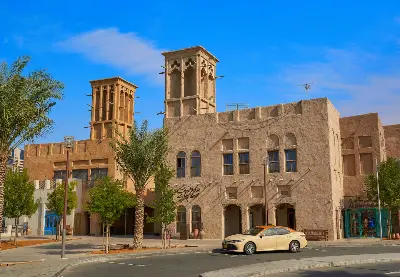
Al Fahidi Historical District
Al Fahidi Historical District is Dubai's most important preserved heritage neighbourhood, a 1.2 km labyrinth of restored 19th-century coral-and-gypsum buildings with iconic wind-tower architecture along the Dubai Creek. Originally home to Persian textile and pearl-trading merchants who settled here in the 1890s, the district now houses the Sheikh Mohammed Centre for Cultural Understanding, multiple museums (Coffee Museum, Coins Museum), art galleries, traditional cafés (Arabian Tea House, XVA Café), boutique guesthouses and the historic Diwan Mosque – all set within shaded narrow alleyways perfect for slow exploration.Quick facts:Duration 2–3 hours · Free entry · Open 7 AM – 8 PM · Wind-tower architectureDid you know?The wind towers (barjeel) throughout Al Fahidi are the world's oldest form of natural air conditioning – designed by Persian merchants 130+ years ago to channel cool breezes down into the rooms below, reducing indoor temperatures by up to 10 degrees without electricity.Best time to visit:Early morning (7–10 AM) for cool temperatures and the best lighting on the coral architecture; evenings (5–8 PM) offer atmospheric lit-alley views.Where to eat nearby:Arabian Tea House (traditional Emirati cuisine), XVA Café (vegetarian), and Local House (traditional Emirati fare including camel burgers) – all within the district itself.Tip:Combine with an abra (traditional water taxi) ride from the adjacent Bur Dubai Abra Station to Deira Old Souk – a historic 1 AED crossing that's been operating for over 100 years.
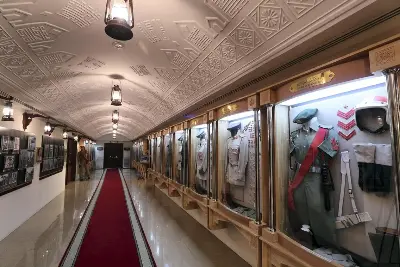
Dubai Police Museum
Dubai Police Museum showcases the history and evolution of Dubai's police force from its founding in 1956 to the present day – including the force's famous fleet of luxury supercar patrol vehicles. Visitors can explore historic uniforms, vintage patrol cars, firearms collections and interactive exhibits about modern policing technology, with the museum run directly by Dubai Police at their General Headquarters in Al Mamzar.Quick facts:Duration 45–60 minutes · Free entry · Run by Dubai Police · Historic vehiclesDid you know?Dubai Police's supercar patrol fleet – which includes a Lamborghini Aventador, Ferrari FF and Bugatti Veyron – has earned the force a Guinness World Record for the fastest police car in service.Best time to visit:Weekday mornings are best – the museum is inside the Dubai Police General HQ so advance registration may be required for non-Emirati visitors.Where to eat nearby:Al Mamzar district has several casual restaurants; Mamzar Beach Park is a short drive away for seaside dining options.Tip:Entry may require advance booking or ID presentation at the gate – call ahead or check the Dubai Police website before visiting. Prices may vary – check official website.
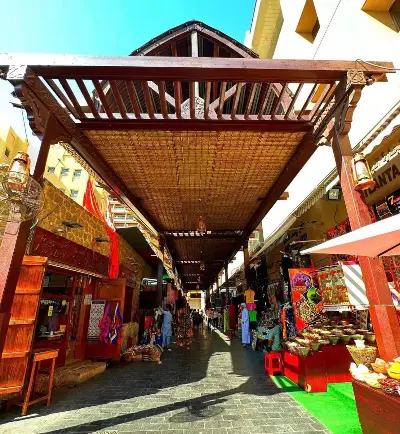
Meena Bazaar
Meena Bazaar is Bur Dubai's authentic Indian sub-continental shopping district, a vibrant labyrinth of narrow lanes featuring 300+ small shops specialising in Indian textiles (particularly Banarasi saris), gold and silver jewellery, Bollywood-inspired fashion, Indian sweets and spices, and authentic sub-continental street food. The bazaar operates on a traditional bargaining economy with prices 30–60% negotiable. Popular with Indian tourists and UAE residents seeking authentic sub-continental products at significantly lower prices than comparable Indian imports elsewhere in Dubai.Quick facts:Duration 2–3 hours · 300+ shops · Bargaining expected · Indian specialitiesDid you know?Meena Bazaar has been Dubai's primary Indian textile and gold shopping hub for over 60 years – many of the original family-run shops have passed through three generations of Indian merchants who originally settled in Bur Dubai in the 1960s.Best time to visit:Late afternoons (4 PM onwards) when shops reopen after the afternoon break; weekday evenings are less crowded than weekends.Where to eat nearby:Dozens of authentic Indian restaurants within the bazaar including Ravi Restaurant (legendary Pakistani) and Puranmal (Indian sweets); Al Fahidi Historical District is 5 minutes' walk for additional dining.Tip:Always bargain aggressively – starting prices are typically 30–60% higher than final prices. Shops are closed 1:00–4:00 PM for the afternoon break; plan visits accordingly. Nearest metro: Al Ghubaiba or Sharaf DG.