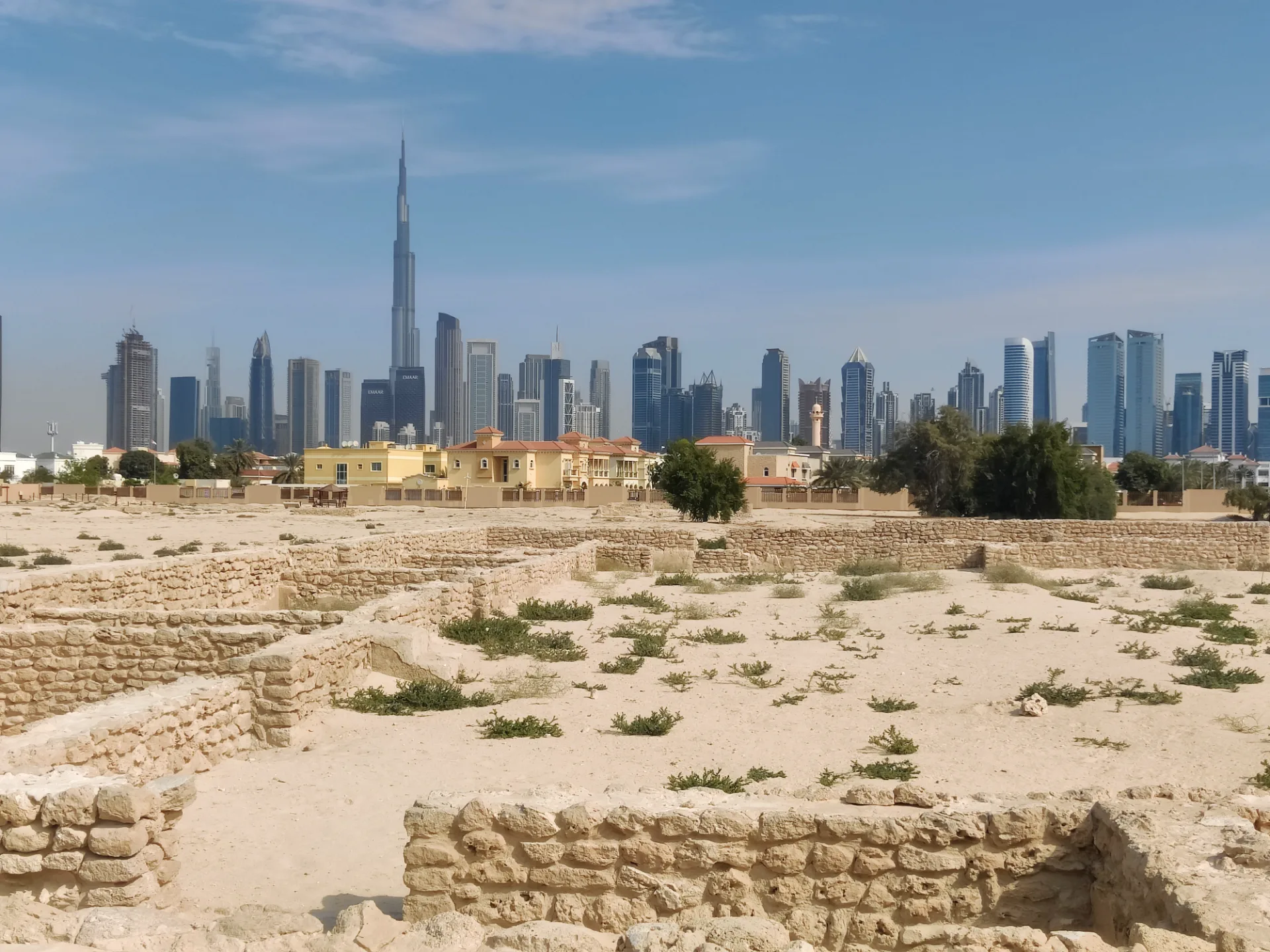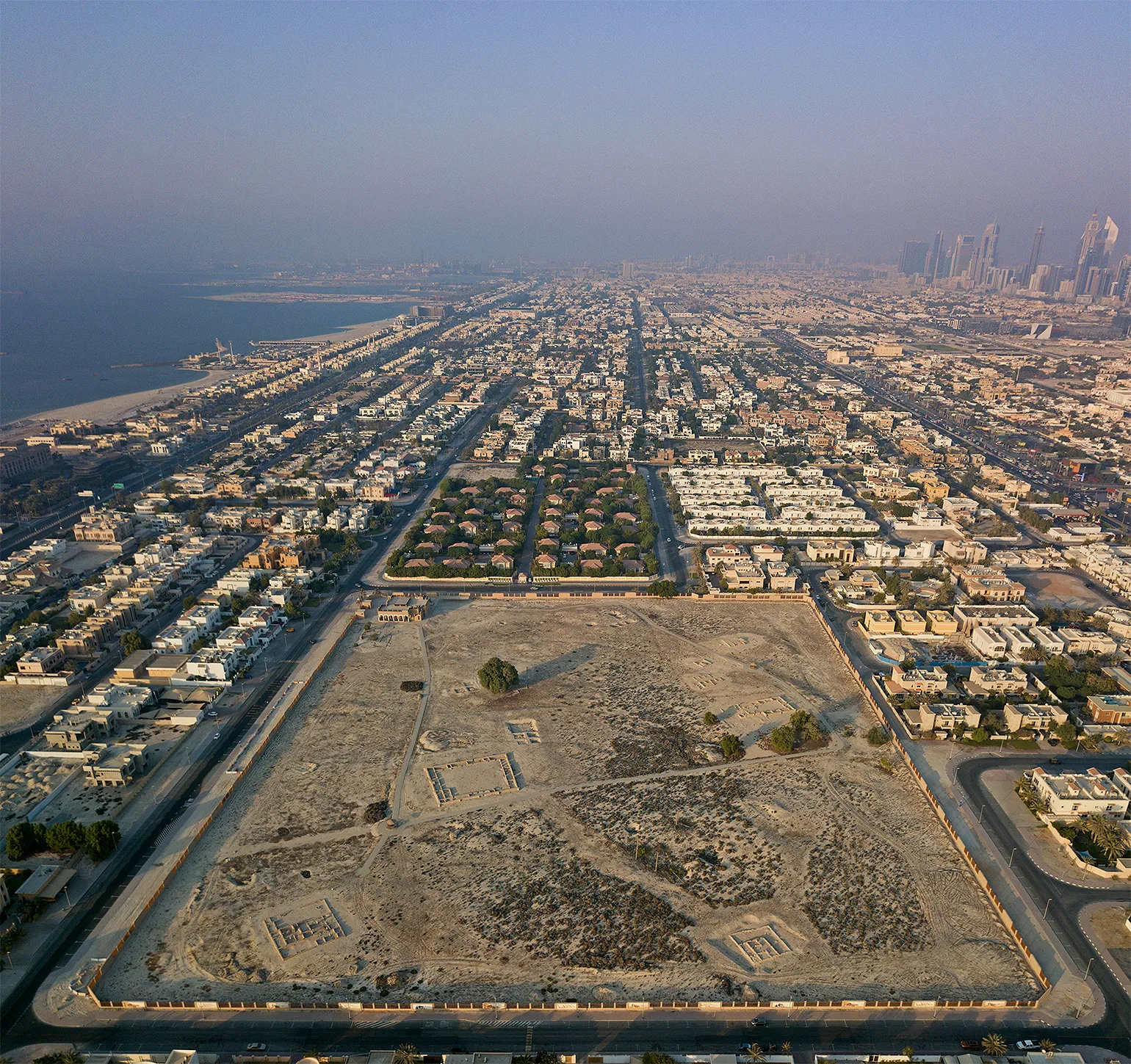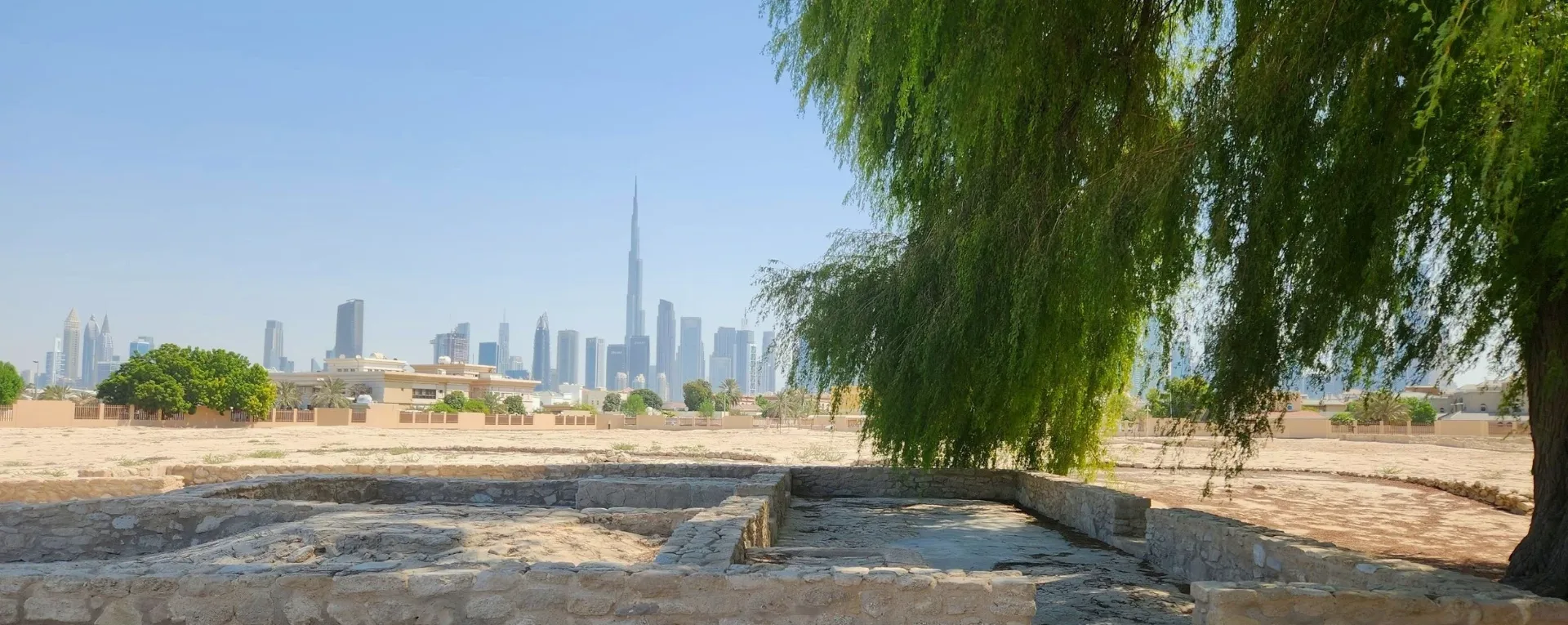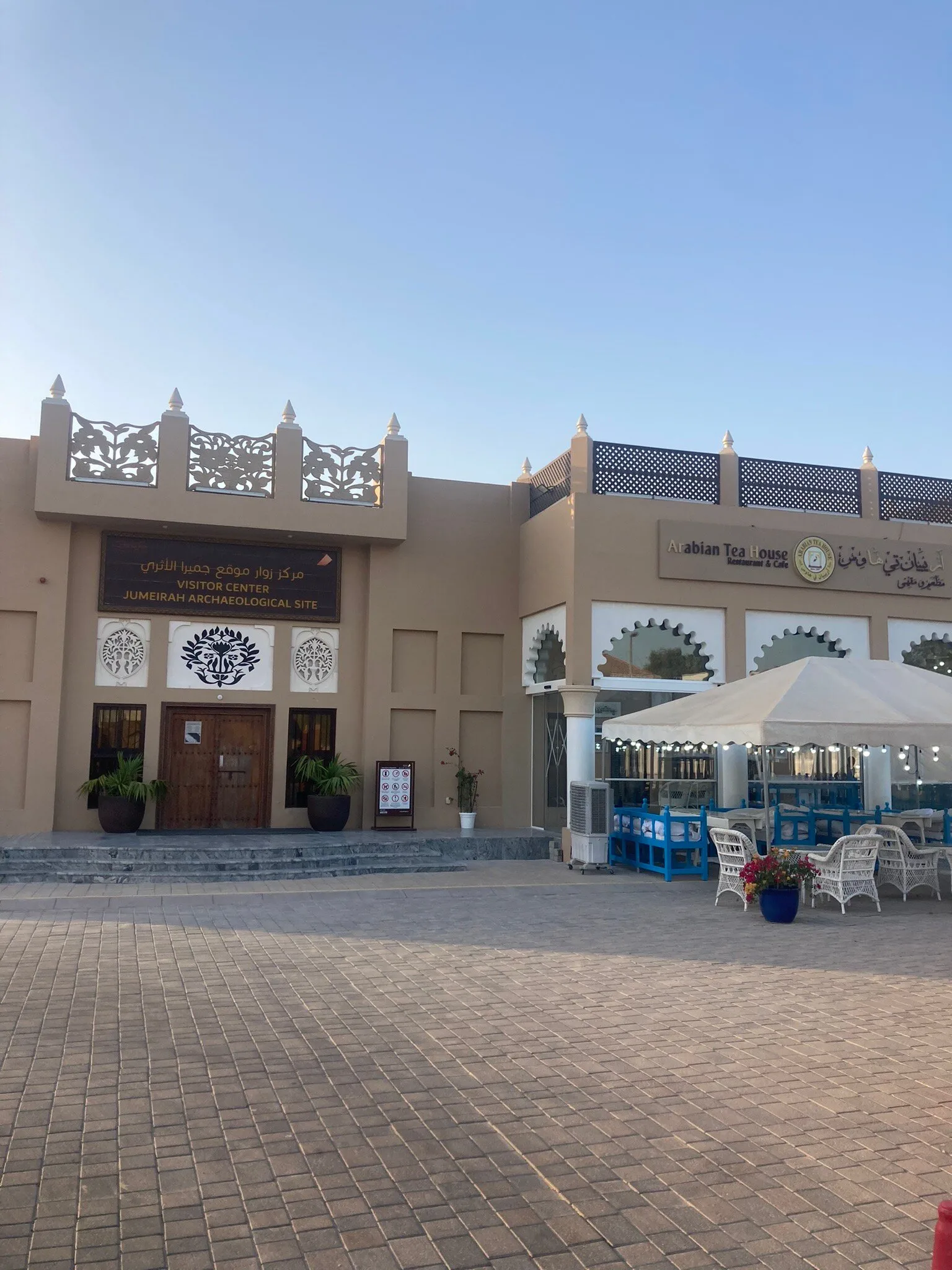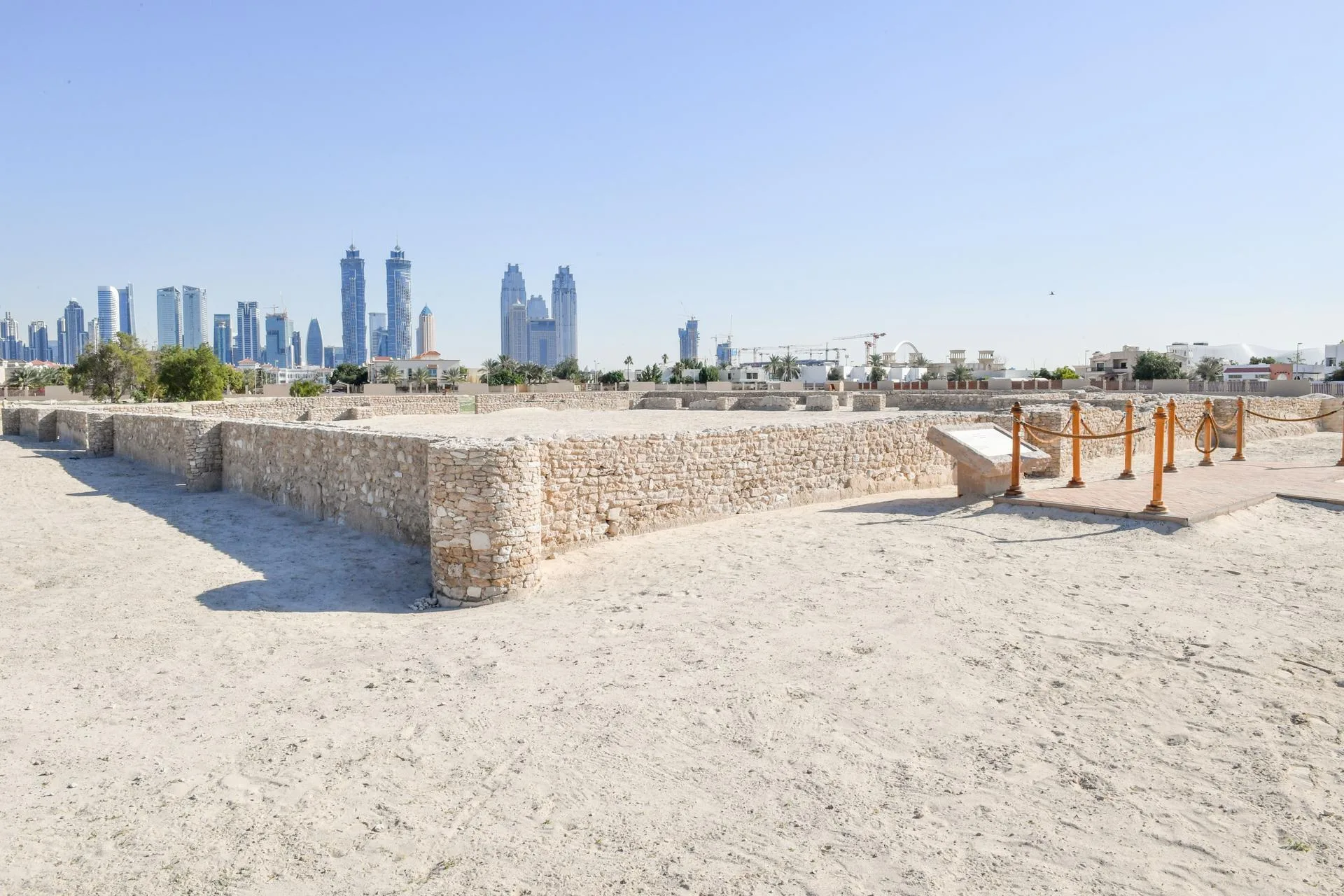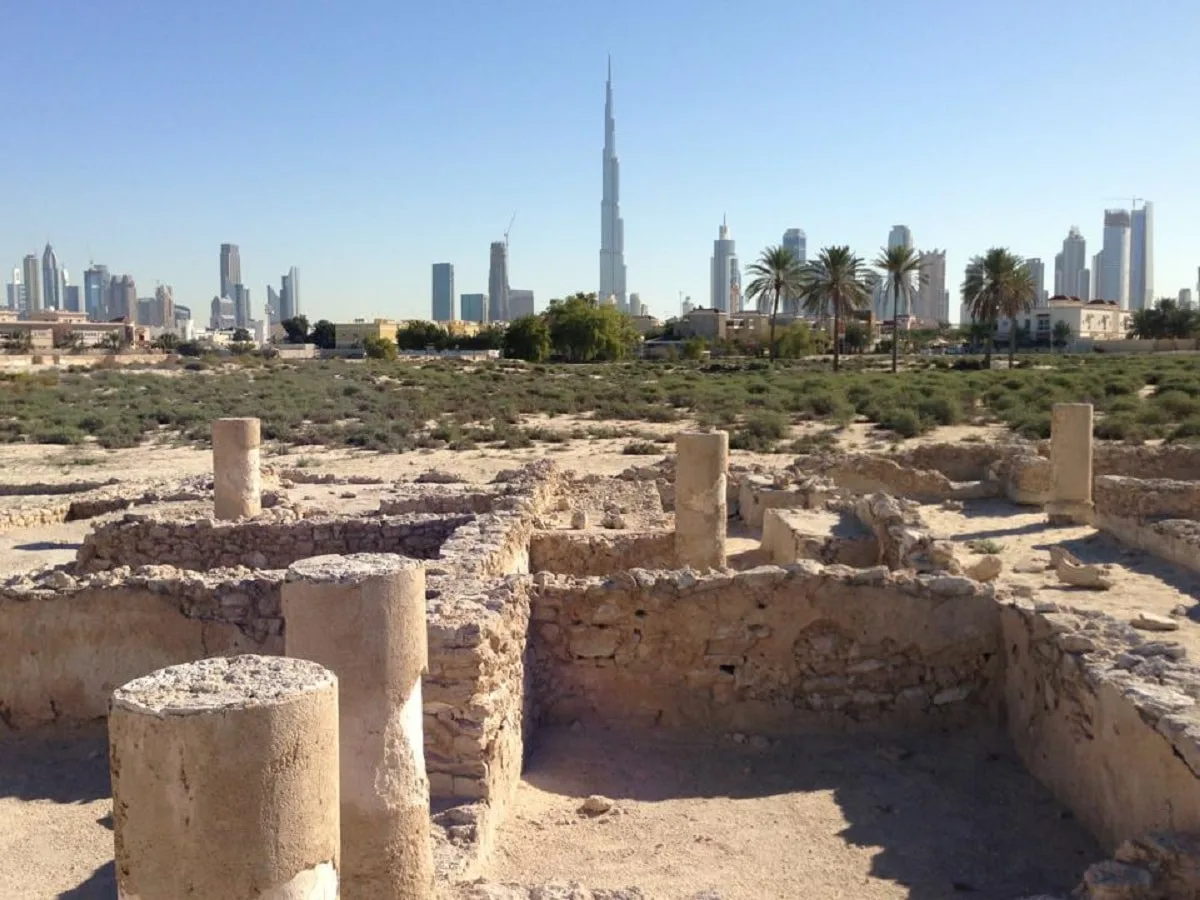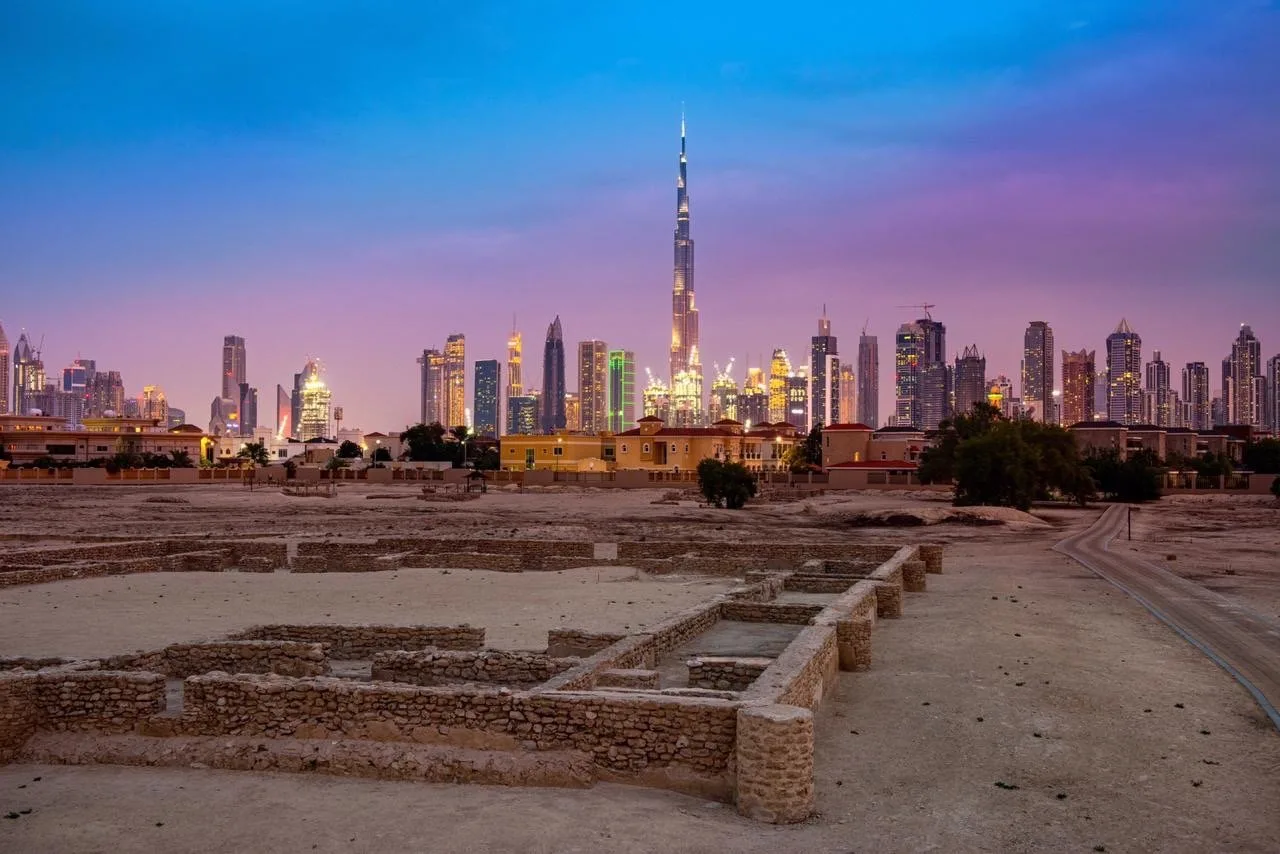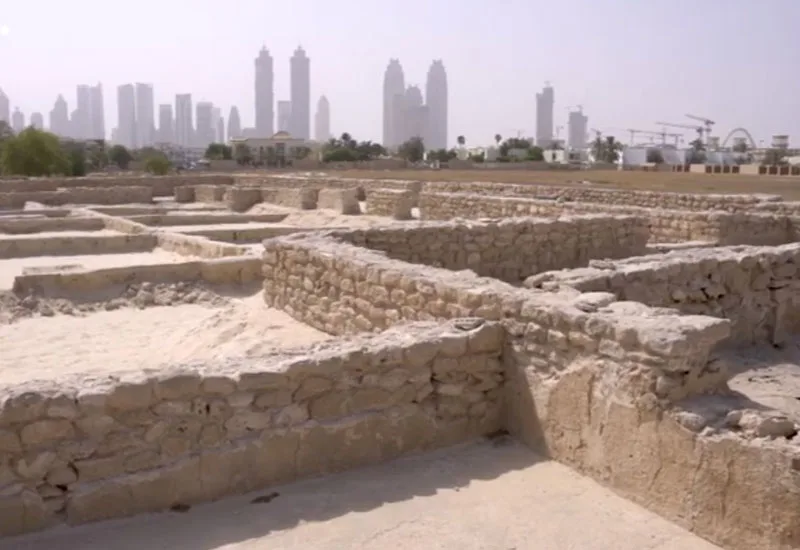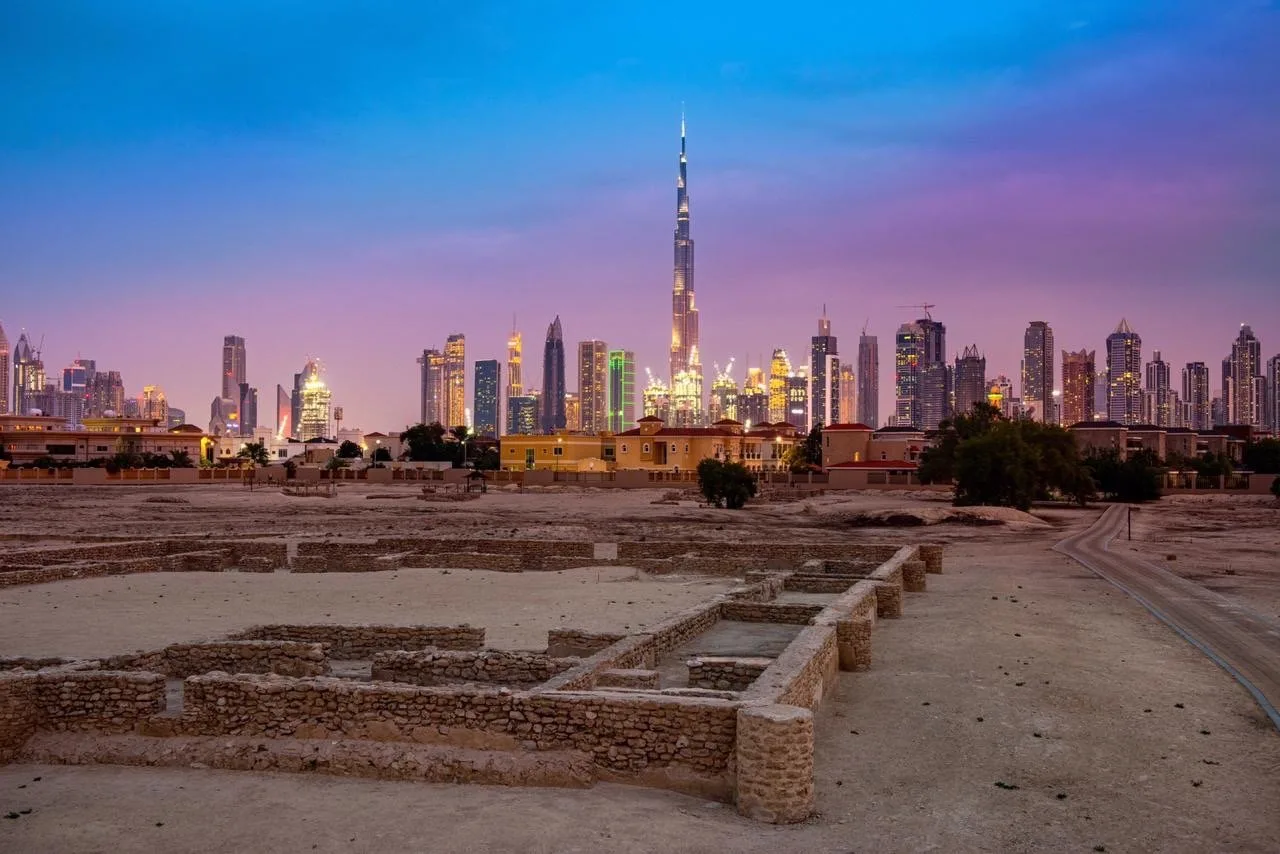
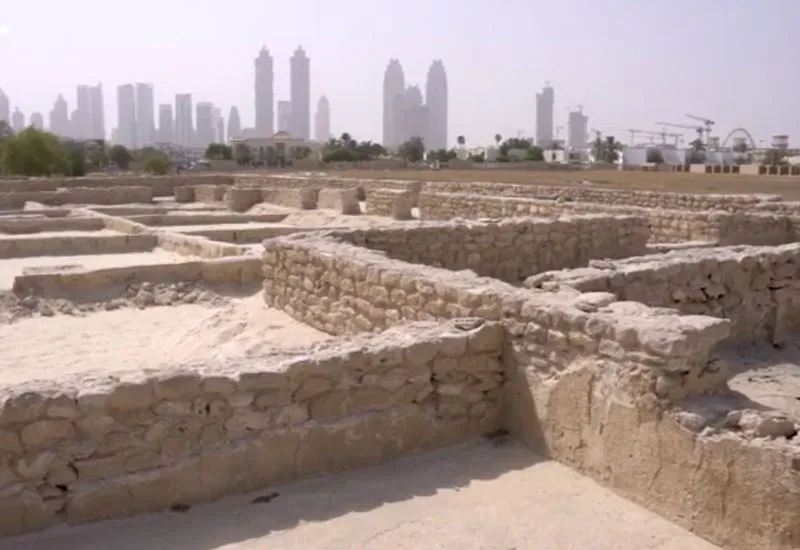
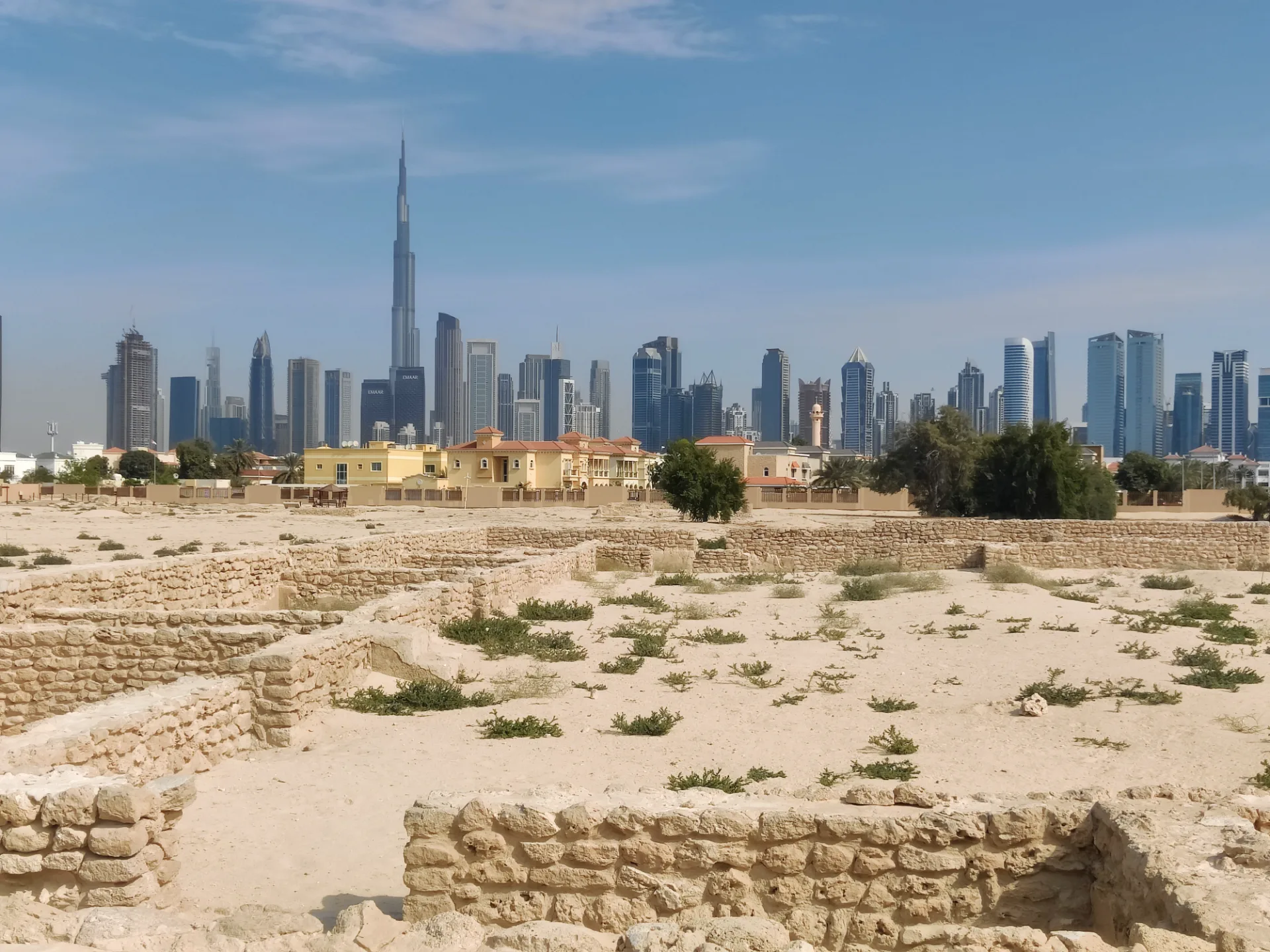
Jumeirah Archaeological Site is the UAE's most significant Islamic-era excavation, a 9th–11th century Abbasid Caliphate trading settlement with eight ruined structures including five domestic houses, a caravanserai, a mosque, and a marketplace. Discovered in 1969 with excavations ongoing, the site features a small visitor centre with curated artefacts (pottery, glass, metalwork, coins) and an interpretation of the trading culture that flourished here a millennium ago. Adjacent to the popular Arabian Tea House restaurant.
Quick facts:
Duration 1–2 hours · Free entry · 9th–11th century · Closed Saturdays
Did you know?
The Jumeirah Archaeological Site dates to the Abbasid Caliphate (750–1258 CE) – making it the oldest known major Islamic-era settlement in the UAE, predating the founding of Dubai itself by over 700 years.
Best time to visit:
Cooler months (October–April) and early mornings (8–11 AM) for the most comfortable exploration of the open-air ruins; weekday visits offer the most peaceful experience.
Where to eat nearby:
The on-site Arabian Tea House offers traditional Emirati cuisine in a beautifully restored heritage setting; surrounding Jumeirah area has additional dining options.
Tip:
Visit the Visitor Centre first to understand the archaeological significance before walking the open-air ruins. Free guided tours can sometimes be arranged with advance notice.